Aviation for Beginners

Dr. A. Shanmugam

Simple explanations for anyone curious about flying and aircraft

(A) WHAT IS AVIATION

Is it scary to fly an aircraft when there is heavy rain and a thunderstorm? Are you afraid of thinking about the chance of engine failure? Have you ever imagined the risk of total power failure in the aircraft or the possibility of two aircraft colliding in the sky? You may have many more fearful doubts and questions. Relax and enjoy your flying always. Traveling by aircraft is the safest and most reliable way to travel, beyond any doubt. Safety is inbuilt in every activity of aviation—whether it is design, production, flying, maintenance, aerodromes, ATC, or ground operations. All are set well. The aim of this website is to clear all such doubts in the simplest possible way.

Airplane
(Airplane)
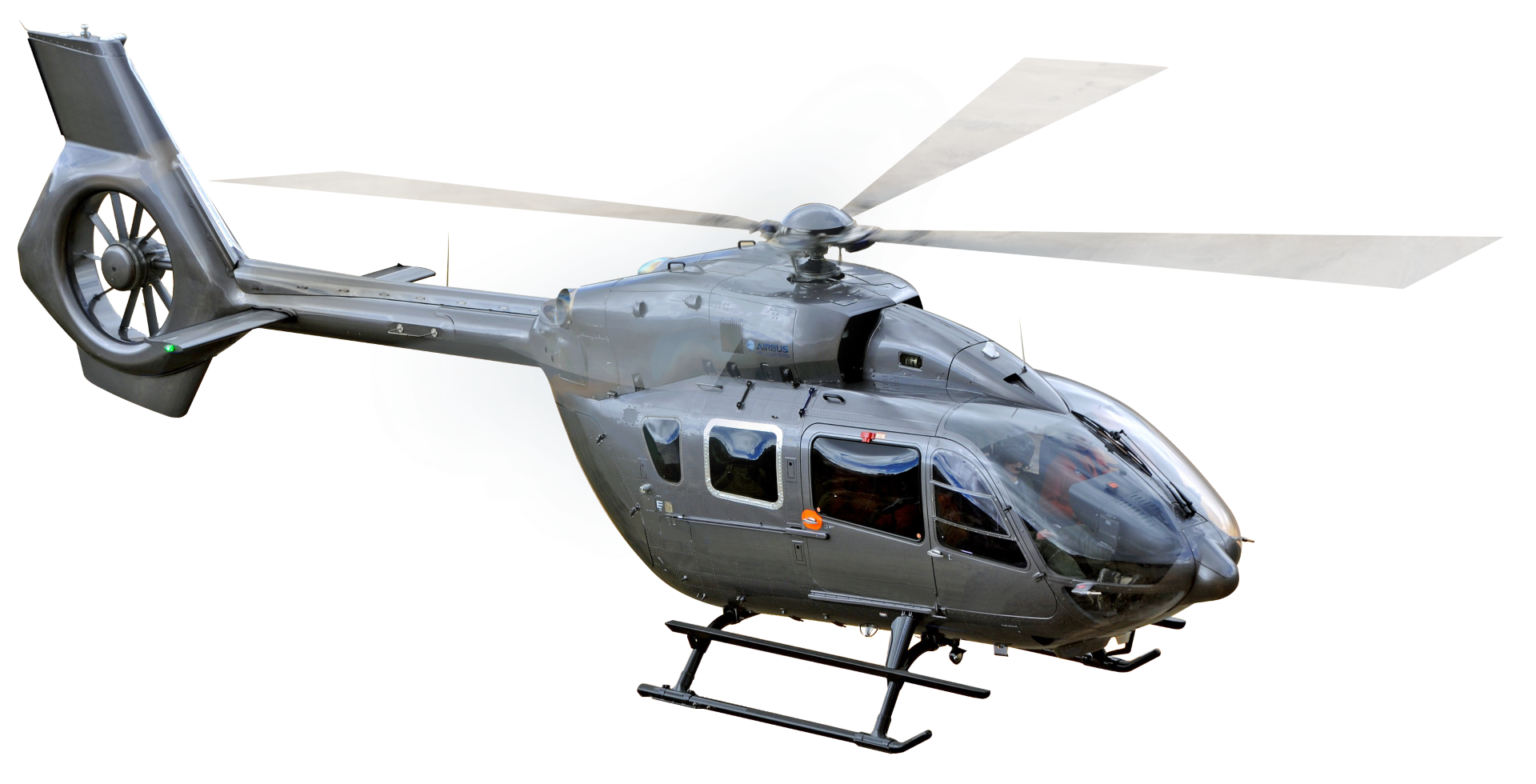
Helicopter
(Rotorcraft)
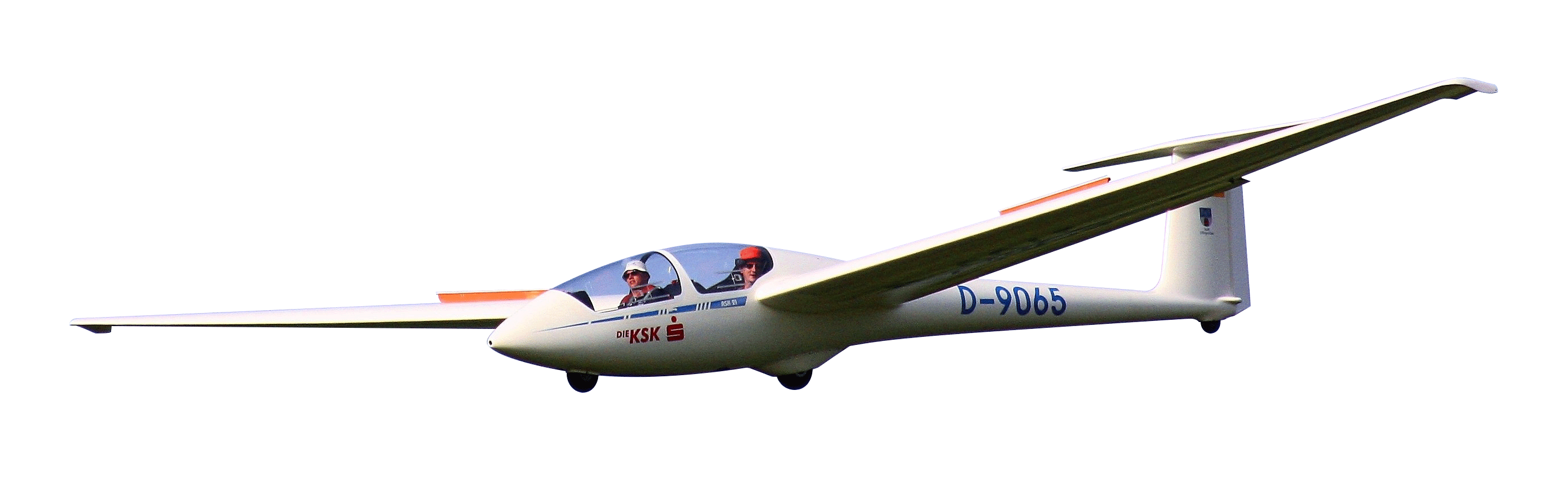
Glider
(Glider)
Hand-glider
(Hang-glider)
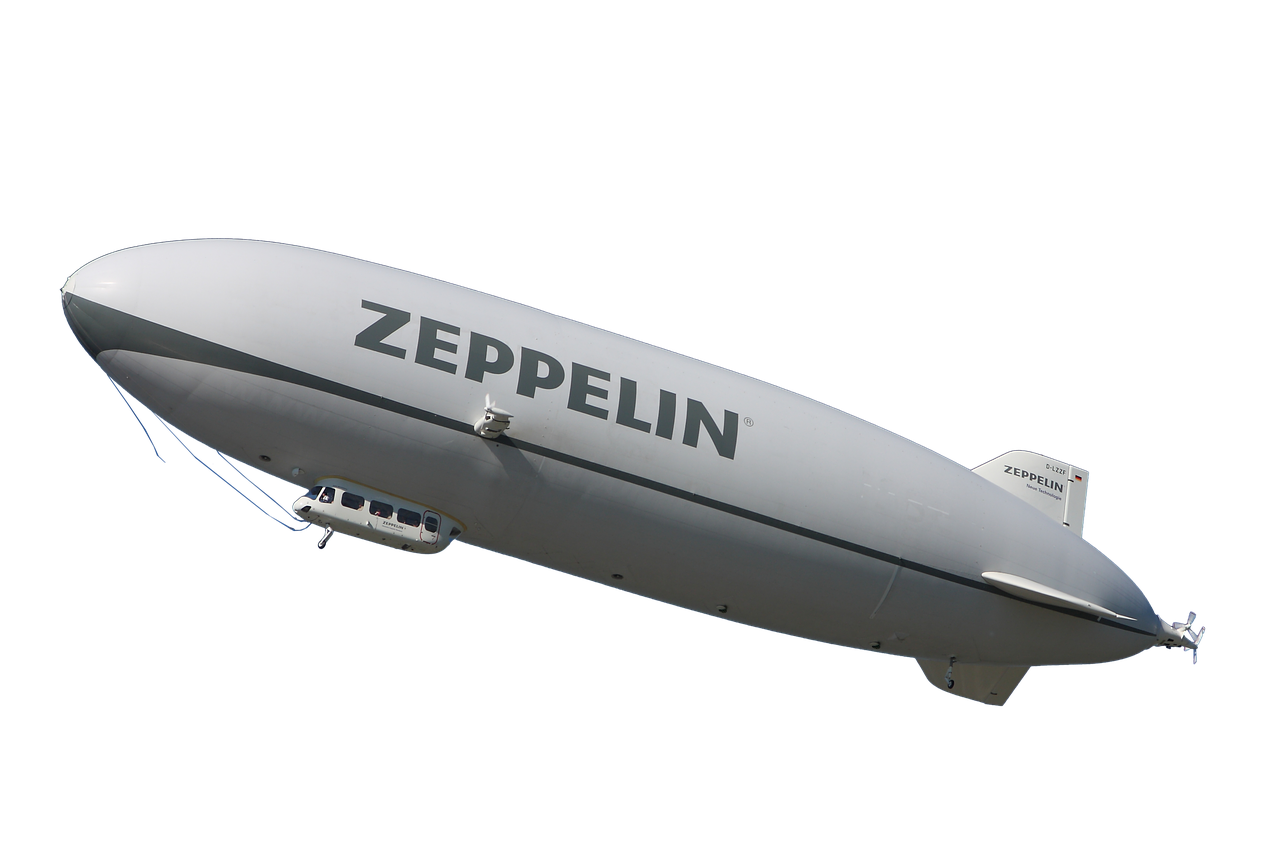
Airship
(Airship)
Hot-air balloon
(Hotair Balloon)

Aviation is the exciting science and operation of flying aircraft. Aircraft includes fixed wing Airplane, rotaing wing Helicopters (rotorcraft) , Gliders, Airships and Hotair balloon. Airplanes, Helicopters, Gliders, Drones and Kites are called as Heavier-than-air aircraft as they lift up and fly due to deflection of airmass, whereas Hotair balloons and Airships are known as Lighter-than-air aircraft as they lift up and fly due to light gas buoancy. Aviation is the safest mode of transport. It connects people across the globe. Aviation applies the wide spectrum of science such as psychology, physiology, medical science, chemistry, and almost all fields of engineering and technology. Safety plays a major role in aviation as every flight involves human lives, complex technology, and global networks. Aviation safety prevents accidents and incidents through regulation, training, and risk management. Sub‑branches include civil aviation and military aviation. Civil aviation is further classified as General Aviation (GA) also known as Private Aviation, where an individual can operate aircraft for his own use or business and Commercial Air Transport (CAT) for transportation of passengers, mails and cargo for public use on payment basis.

In aviation, safety is embedded in every aspect of the industry. Famous aircraft such as the Airbus A380, Boeing 747, Embraer E‑170, and Challenger Global 7500—as well as all transport category aircraft—are designed, produced, and maintained in accordance with the rigorous airworthiness standards of ICAO Annex 8. Likewise, all airports are built and certified in accordance with ICAO Annex 14. Globally harmonized ICAO provisions also govern all airline operations ( Annex 6) and air traffic services ( Annex 11), ensuring that safety remains the foundation of all aviation activities. In total, 19 ICAO Annexes collectively shape and uphold the global aviation safety framework.

Concepts Worth Remembering

  • Aircraft means any machine that can derive support in the atmosphere. It includes fixed-wing airplanes, rotating-wing rotorcraft (helicopters), powered or unpowered gliders, drones, airships, hot-air balloons, and kites.
  • Lighter-than-air aircraft include airships and hot-air balloons.
  • Heavier-than-air aircraft include fixed-wing airplanes, rotating-wing rotorcraft, drones, gliders, and kites.
  • Aircraft operations used for private or business purposes are called Private Aviation or General Aviation.
  • Aircraft operations used for carrying passengers, cargo, or mail on a payment basis are known as Commercial Air Transport.

(1) Units and Measurements

Imperial System
The Imperial system is a traditional measurement system developed in the British Empire in 1824. It uses units such as feet, miles, pounds, gallons, and psi. Although many countries have transitioned to SI, the Imperial system remains deeply embedded in aviation—especially in aircraft operations and air traffic services. The following Imperial units are commonly used in aviation:

  • Altitude: 35,000 ft (FL350)
  • Runway length (US): 11,381 ft at San Francisco (SFO)
  • Aircraft weight: Cessna 172 MTOW = 2,550 lb
  • Fuel (GA aircraft): 50 US gallons
  • Tire pressure: 50 psi

SI (Metric) System
The SI (Système International) system is the modern metric system, officially adopted globally in 1960. It uses standardized base units such as metres, kilograms, litres, and pascals. SI units used in aviation include:

  • Runway length (most ICAO States): Heathrow RWY 09L = 3,902 m
  • Fuel quantity: 5,000 kg on Airbus and many transport aircraft
  • Visibility: 1,200 m in METAR
  • Pressure: QNH 1013 hPa
  • Aircraft mass: A320 MTOW = 77,000 kg

Coexistence of SI and Imperial Systems

Aviation is one of the few global industries where both systems operate side‑by‑side. This coexistence is the result of historical practices, aircraft design origins, and international harmonization under ICAO. Typical examples include:

  • Altitude: Always in feet (Imperial)
  • Runway length: Metres (SI) in most countries
  • Fuel (SI): Kilograms on large transport aircraft
  • Visibility (SI): Metres in Europe and most ICAO States
  • Temperature (SI): Celsius in METAR
  • Runway length (US): Feet (Imperial)
  • Fuel (Imperial): Gallons or pounds on many US‑built or GA aircraft
  • Visibility (US): Statute miles (Imperial)
  • Temperature (US): Fahrenheit sometimes referenced in ATIS

This dual‑system environment is why pilots, engineers, and controllers must be fluent in both measurement systems.

Concepts Worth Remembering

The Imperial system uses inches, feet, yards, miles, pounds, ounces, gallons, pints, psi, and °F.

The SI system uses meters, kilograms, liters, pascals, and °C.

The Imperial system is still widely used in the United States and partly in the United Kingdom.

The SI system is the global standard for science, engineering, and daily measurements.

Temperature is measured in °F (Imperial) and °C (SI).

Pressure is measured in psi (Imperial) and Pa (SI).


(2) Concept of Pressure

What is Gas Pressure?

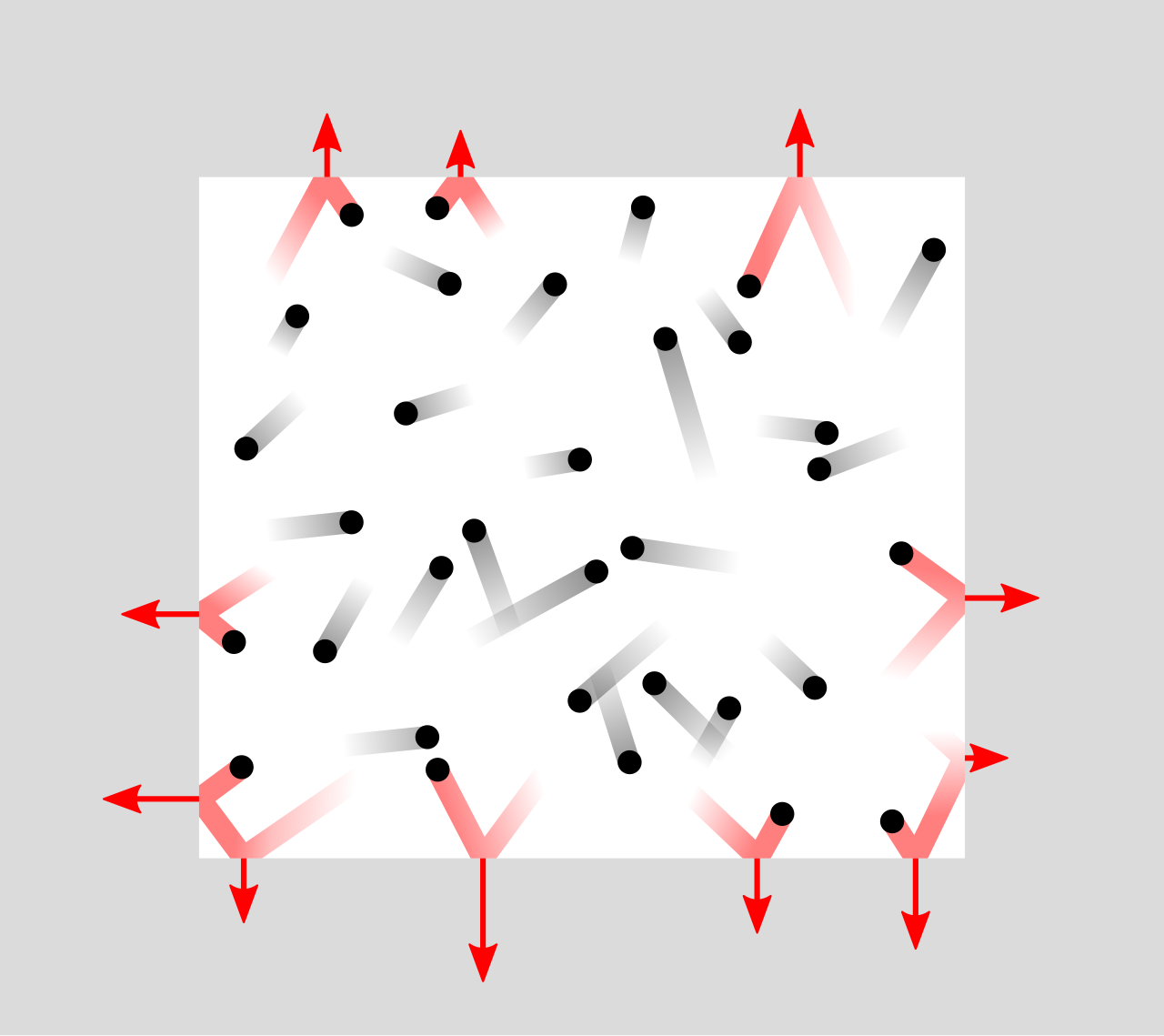
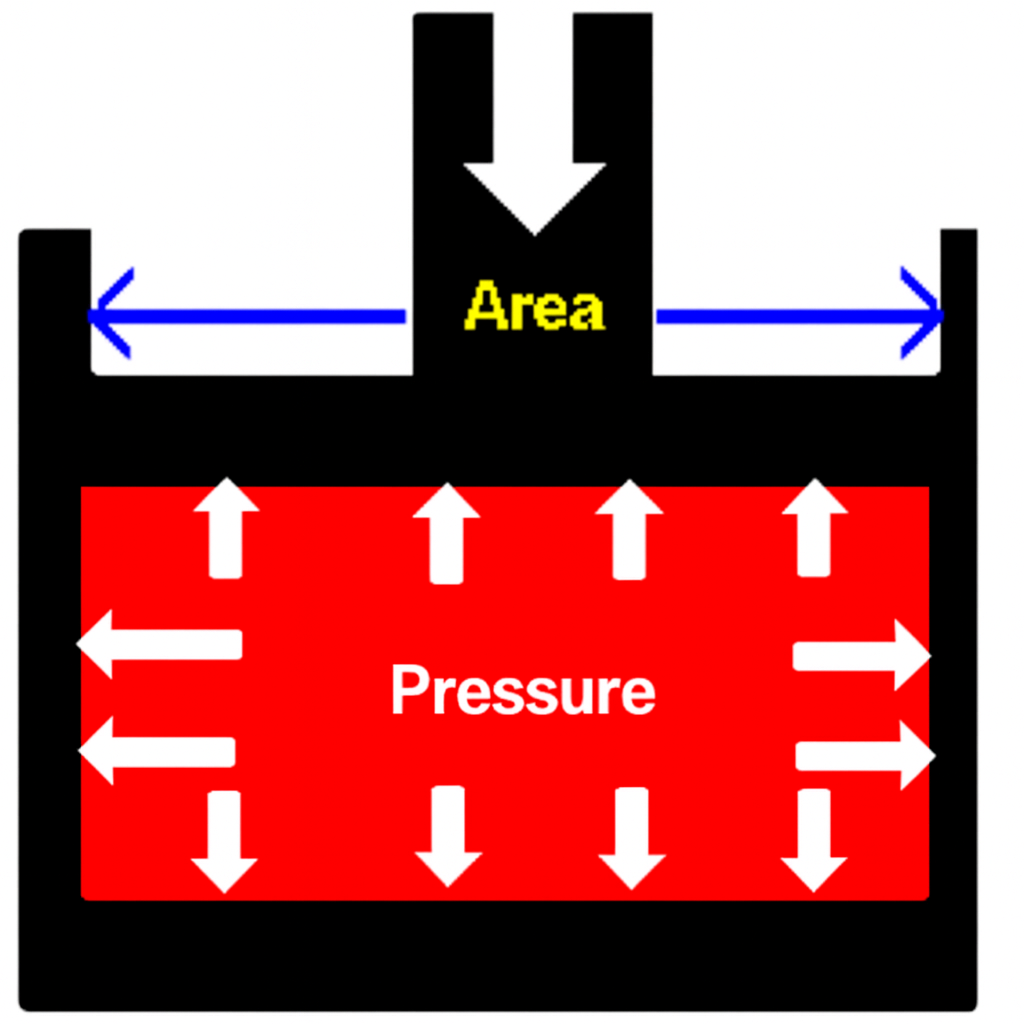
Pressure in a gas is caused by molecules colliding with the container walls, transferring momentum and creating force. Pressure in a gas happens because the gas is made of tiny particles that are always moving. These particles zoom around in all directions and keep bumping into each other and into the walls of the container. Even though each particle is extremely small, there are millions of them moving and hitting the walls every second. Every little hit gives a tiny push.

All these tiny pushes add up to create a bigger push on the container’s walls, and this push is what we call gas pressure. If the gas gets hotter, the particles move faster and hit the walls harder, so the pressure increases. If the gas gets cooler, the particles slow down and the pressure becomes lower. This simple idea helps explain balloons, tyres, and even how jet engines work.

Everyday Examples of Gas Pressure

Gas pressure is easy to see in everyday life: when you blow up a balloon or pump a bicycle tyre, the air inside pushes on the walls and makes them firm. The same thing happens in a soda bottle that hisses when opened because the gas inside is pushing harder than the air outside. Even a football bounces well only when enough air pressure is inside it. All these simple examples show that gas pressure is just the push of air on the things around us.
Pre-con1
(a)
Pre-con2
(b)

It acts perpendicular to the surface and reflects the average molecular motion. Pressure is calculated as the force exerted by the molecules divided by the area of the wall, expressed as:

P = F / A    or    Force = P × A

This formula links microscopic molecular collisions to the macroscopic pressure we observe.

Concepts Worth Remembering

Temperature Concept

(3) Temperature – Fundamental Concept

Temperature is created by the motion of particles within a substance. Faster particle movement means higher kinetic energy and a higher temperature, while slower movement means a lower temperature. Heat from sunlight, fire, friction, electricity, or chemical reactions speeds up particles, and cooling slows them down. Absolute zero is the point where particle motion theoretically stops. This concept explains why temperature influences air density, weather, engine performance, and other aviation‑related processes.

Temperature is measured in Celsius (°C), Fahrenheit (°F), and Kelvin (K). Celsius is common in daily use and aviation, Fahrenheit is used mainly in the United States, and Kelvin is the scientific standard because it begins at absolute zero. Kelvin is the universally accepted unit in scientific and engineering work.

Temperature and heat are different. Temperature measures the average kinetic energy of particles, while heat is energy that flows from a hotter object to a cooler one. Two objects can have the same temperature but contain different amounts of heat depending on their mass and material, which is important in understanding real‑world and aviation processes.

Concept of Temperature

Points Worth Remembering

Velocity

(4) Velocity and Acceleration

Velocity

Velocity is the rate of change of position with respect to time in a specific direction. Unlike speed, which only tells you how fast something moves, velocity includes both magnitude and direction. This makes velocity a vector quantity, while speed is a scalar quantity.

Mathematical Form

v = dx/dt    or    v = Δx / Δt

Speed = magnitude only (e.g., 60 km/h)
Velocity = magnitude + direction (e.g., 60 km/h east)

Acceleration

Acceleration is the rate of change of velocity with respect to time. Since velocity has both magnitude and direction, acceleration must also be a vector quantity. It tells us how fast the velocity changes and in which direction the change occurs.

Mathematical Form

a = dv/dt    or    a = d²x/dt²    or    a = Δv / Δt

Example

A car increases its velocity from 60 km/h east to 80 km/h east in 10 seconds.
Acceleration = (80 − 60) / 10 = 2 km/h per second east.

Both velocity (v) and acceleration (a) are vector quantities.

Points Worth Remembering


(5) Bernoulli's Theorem

Static Pressure

When you sit in a bathtub filled with water or stand still in a swimming pool, the water around you is not moving, yet you still feel a force pressing on your body. This is static pressure (p).

Static pressure is measured in pascals (Pa), equal to one newton per square meter. Other common units include:
• bar (1 bar = 100,000 Pa)
• atmosphere (1 atm = 101,325 Pa)

Static pressure illustration Static Pressure

Dynamic Pressure

When you take a shower, the falling water strikes your body with speed. This impact is due to dynamic pressure, which in aerodynamics is the kinetic energy per unit volume of a moving fluid.

q = ½ ρ V²

where ρ is the density of the fluid and V is the velocity of the fluid.

Dynamic pressure illustration Dynamic Pressure

Total Pressure

In a moving river, both static pressure and dynamic pressure act together—even if you stand still. The flowing water exerts steady static pressure plus dynamic pressure from its motion, resulting in total pressure.

Total pressure illustration Total Pressure

Similarly, when you swim in a pool, the still water exerts static pressure, while your movement creates dynamic pressure. Together, they produce the total pressure.

Total pressure = p + ½ ρ V²

Bernoulli’s Theorem

Daniel Bernoulli showed in 1738 that along a streamline, the total energy of a fluid remains constant. In simple terms: when pressure increases, velocity decreases; when pressure decreases, velocity increases.

Bernoulli’s Equation

p + ½ρV² + ρgh = constant

Bernoulli’s equation relates three forms of energy in a flowing fluid:

p — pressure energy
½ρV² — kinetic energy per unit volume
ρgh — potential energy per unit volume

Where:
ρ — fluid density
V — flow velocity
g — acceleration due to gravity
h — height above reference point

When there is no height difference in the flow, the term ρgh is not included.

Concepts Worth Remembering

  • Static pressure is the pressure exerted by a fluid at rest, like water pressing on your body in a bathtub.
  • Static pressure is measured in pascals (Pa), with common units such as bar and atmosphere (atm).
  • Dynamic pressure is the pressure created by the motion of a fluid, such as water striking your body in a shower.
  • Dynamic pressure is given by q = ½ ρ V², where ρ is the fluid density and V is the fluid velocity.
  • Total pressure is the sum of static and dynamic pressure, expressed as p + ½ ρ V² when there is no height difference in the flow.
  • As per Bernoulli’s principle, in low‑speed incompressible flow, the total energy remains constant along a streamline.
  • The simplest form of Bernoulli’s principle states that when fluid velocity increases, pressure decreases, and when velocity decreases, pressure increases — keeping total energy constant.

Lift Generation

(6) How Lift Is Generated

Understanding Lift

Any object can create lift. Over the years, many explanations have been proposed to describe how lift is generated. Unfortunately, several theories found in encyclopaedias, websites, and even some textbooks are incorrect or incomplete, which often leads to confusion among students.

Lift is produced whenever an object redirects the flow of air around it. This means lift can be created by almost any shape placed in a moving airflow:

  • a curved aerofoil
  • a flat plate set at an angle
  • a spinning ball or rotating cylinder
  • even an irregularly shaped stone or a car

Because so many shapes can generate lift, many theories attempt to explain it. However, not all explanations are accurate.

Misleading Theories

Some commonly repeated explanations of lift are misleading or incomplete. These include:

  • Longer Path Theory
  • Skipping Stone Theory
  • Venturi Theory
  • Newton’s Third Law (when used alone)
  • Bernoulli’s Theorem (when used alone)

A Complete Explanation

The most accurate understanding of lift combines:

Bernoulli’s principle — explains how pressure differences are created
Newton’s laws of motion — explain how deflected airflow produces an upward reaction force

Together, these principles show that lift is the result of both pressure differences and the downward deflection of air.

Airfoil
(Airfoil)
Sheet
(Sheet)
Spinning ball
(Spinning ball)
Spinning cylinder
(Spinning cylinder)
Stone
(Stone)
Speeding Car
(Speeding Car)


(7) Lift Theory - Misleading Descriptions

(a) Longer Path Theory (Equal Transit Time)

Also known as the Equal Transit Time theory, this explanation is conceptually incorrect. It suggests that the curved upper surface of an aerofoil creates a longer path for airflow than the flatter bottom. To reach the trailing edge simultaneously, air molecules must travel faster over the top, producing lower pressure according to Bernoulli’s principle. However, the idea that top and bottom particles meet at the same time is erroneous and has been widely discredited (NASA, 2021).

Travel Time variation

Experiments show that particles moving over the top do not arrive simultaneously with those below. Upper‑surface particles travel faster than predicted by equal‑transit assumptions. Even symmetric aerofoils and flat plates generate lift, proving the theory incorrect. Lift arises from flow turning and pressure distribution across the entire aerofoil—not from path length.

(b) Skipping Stone Theory

NASA refers to the skipping stone theory as the newton's lift Theory. It is often mistaken that the wing pushes air downward and the reaction pushes the wing upward. This oversimplifies lift and ignores pressure distribution of complete wing and circulation.

Skipping Stone Theory

(c) Venturi Theory

The Venturi Theory treats the upper surface of an aerofoil as a nozzle that accelerates airflow through constriction. Using conservation of mass (Continuity Theory), reduced area supposedly increases velocity, and Bernoulli links this to lower pressure.

One side Ventury
One side Ventury

However, an aerofoil is not a Venturi nozzle. There is no upper “phantom wall” to create a true constriction. Velocity increases near the surface but decreases outward toward freestream conditions. Lift comes from overall flow turning and pressure distribution, not nozzle‑like acceleration.

The theory cannot explain lift on a flat plate or negative angles of attack. It focuses only on the upper surface and ignores the lower surface’s contribution. While Bernoulli’s equation is valid, the velocity estimate is based on a false constriction assumption, making the theory unreliable.

(d) Incorrect Interpretation of Newton’s Third Law

Newton’s third law alone is an incomplete explanation of lift. The idea that wings rise simply because they push air downward is oversimplified. Lift results from momentum change (Newton’s second law) and pressure distribution across the entire aerofoil. Total lift equals pressure distribution multiplied by aerofoil area.

(e) Wrong Application of Bernoulli’s Principle

Many assume faster airflow over a longer upper surface creates lower pressure. This is incomplete because even symmetric aerofoils and flat plates generate lift. Wings deflect air, changing momentum. Bernoulli explains the creation of pressure difference across the wing for lift creation; Newton explains the momemtum change due to deflection of the air flow. Both are essential for explaining the theory of lift creation.

Theory of Lift Creation

Lift generation obeys conservation of mass, momentum, and energy. These form the Euler Equations for inviscid flow and the Navier–Stokes Equations when viscosity is included.

Euler’s Equation:
∂v/∂t + (v · ∇)v = –(1/ρ)∇p + g

Bernoulli’s Principle is a special case of Euler’s equation for steady, inviscid, streamline flow. It explains how pressure, velocity, and height balance, complementing Newton’s force‑motion perspective.

Theory of Lift – Key Concepts to Remember

  1. Equal Transit Time is a myth: air particles do not meet simultaneously at the trailing edge.
  2. Lift is not from a longer path: a longer upper surface alone does not create lift.
  3. Skipping Stone view is oversimplified: “wing pushes air down, air pushes wing up” ignores pressure distribution and circulation.
  4. Lower surface only theory is wrong: experiments show the upper surface turns the flow more and contributes strongly to lift.
  5. A wing is not a Venturi nozzle: there is no solid upper wall; the “phantom Venturi” assumption is incorrect.
  6. Flat plates and symmetric aerofoils lift: they generate lift even without a longer upper surface.
  7. Spoilers reduce lift: disturbing the upper surface flow clearly shows its importance in lift generation.
  8. Travel time varies: air over the top moves faster than equal‑transit theories predict.
  9. Flow turning is central: lift arises from turning the flow and the resulting pressure distribution.
  10. Lift is pressure distribution over area: total lift equals integrated pressure difference over the aerofoil surface.
  11. Momentum change (Newton’s 2nd law) matters: lift is linked to change in momentum of the airflow, not just action–reaction slogans.
  12. Real flows involve viscosity and temperature: ignoring viscosity, temperature, and unsteady effects leads to inaccurate predictions.
  13. Euler equations govern inviscid flow: they express conservation of mass, momentum, and energy for ideal fluids.
  14. Bernoulli is a special case of Euler: valid only for steady, inviscid, streamline flow; it complements Newton’s laws.
  15. Navier–Stokes describes real fluids: adding viscosity and turbulence effects is essential for realistic lift modelling.


Four Forces of an Aircraft in Flight

Every aircraft in flight is controlled by four forces: Lift acting upward, Weight pulling downward, Thrust pushing forward, and Drag resisting in the opposite direction. These forces work in two opposing pairs, and keeping them balanced is essential for smooth, steady flight.

Four forces of aircraft

Four forces of aircraft

If you place your hand near an air blower with your fingers flat, nothing happens. But if you tilt your hand slightly upward (increasing the angle of attack), you will feel an upward push. That push is similar to lift. On an aircraft, lift is created by the specially shaped wings (aerofoils). As air flows over and under the wings, a pressure difference is formed, producing the upward force that supports the aircraft in the air.

Lift Force
Lift Force
Earth Gravity Pull
Earth Gravity Pull

Everything on Earth is pulled downward by gravity, and this downward force is called weight. For an aircraft to climb, lift must be greater than weight. For level flight, lift and weight must be equal.

Thrust is the forward pushing force produced by the engines. Jet engines create thrust by ejecting fast moving gases backward, while propeller fittec on Piston engines push a large mass of air backward to pull the aircraft forward.

Piston Engine
Piston Engine
Gas Turbine Engine
Gas Turbine Engine

This forward motion keeps air flowing over the wings so lift can be maintained. If the aircraft slows below a certain minimum speed (stalling speed), lift decreases and the aircraft begins to drop — a condition called stalling.

Piston engine aircraft

Piston engine aircraft

Gas Turbine (Jet) engine aircraft

Gas Turbine (Jet) engine aircraft

If you run a short distance normally and then run the same distance holding an open umbrella, you will feel a backward pull. That pull is similar to drag. Drag is the air resistance that opposes the aircraft’s motion. To maintain a constant speed, thrust must balance drag.

Principle Drag
Principle Drag

An aircraft is said to be in equilibrium when lift balances weight and thrust balances drag. In this state, the aircraft flies smoothly and steadily, consistent with Newton’s first law. If any force becomes stronger or weaker, the aircraft immediately responds by climbing, descending, speeding up, or slowing down. Pilots and aircraft systems continuously manage this balance to keep the aircraft stable and controlled.

Concepts worth remembering

  1. Four forces act on every aircraft: lift upward, weight downward, thrust forward, and drag backward.
  2. Forces work in opposing pairs: lift vs weight, thrust vs drag; balance keeps flight steady.
  3. Lift is created by wing shape and airflow: aerofoil wings generate a pressure difference.
  4. Angle of attack affects lift: tilting the wing increases lift up to a safe limit.
  5. Weight is gravity acting on the aircraft: it always pulls downward.
  6. Thrust moves the aircraft forward: produced by jet engines or propeller-driven piston engines.
  7. Forward motion is essential for lift: wings need airflow to keep generating lift.
  8. Stalling occurs when lift becomes insufficient: usually because speed is too low.
  9. Drag opposes motion: it is air resistance that must be balanced by thrust.
  10. Equilibrium means stable flight: lift equals weight and thrust equals drag.


Aircraft Systems Overview

(C) AIRCRAFT SYSTEMS

Aircraft systems consist of a wide range of integrated components, including (a) aircraft general structure, (b) the fuselage, (c) air conditioning, (d) pressurisation, (e) automatic flight systems, (f) the Auxiliary Power Unit (APU), (g) communications, (h) electrical power, (i) emergency equipment, (j) fire protection, (k) flight controls, (l) winglets, (m) flight instruments, (n) the FMC, (o) fuel systems, (p) hydraulics, (q) ice and rain protection, (r) landing gear, (s) navigation systems, (t) pneumatics, (u) the power plant, and (v) warning systems. All systems are identified via a standardized numbering system called Air Transport Association (ATA) numbers.

Developed by the Air Transport Association (ATA), this structure is used in organize manuals such as the Aircraft Maintenance Manual (AMM), Flight Crew Operating Manual (FCOM), Illustrated Parts Catalogue (IPC), Structural Repair Manual (SRM), and Minimum Equipment List (MEL), and many other manuals ensuring standadization across all aircraft documentation.

Important ATA Chapters include:
ATA 21 – Air Conditioning & Pressurization
ATA 22 – Auto Flight
ATA 23 – Communications
ATA 24 – Electrical Power
ATA 26 – Fire Protection
ATA 27 – Flight Controls
ATA 28 – Fuel System
ATA 29 – Hydraulic Power
ATA 32 – Landing Gear
ATA 34 – Navigation
ATA 70 – Standard Practices
ATA 71 – Powerplant

There are about 116 standardized ATA Chapters used globally by all manufacturers—Boeing, Airbus, Embraer, Bombardier, and others—ensuring uniform, organized, and easily understood documentation across the aviation industry.

Aircraft Structures and Powerplant

Aircraft structures form the physical framework of the aircraft and are documented mainly under ATA 50–57. These include the fuselage, wings, stabilizers, doors, windows, nacelles, and pylons.

Modern structures use aluminum alloys, titanium, and advanced composites to withstand loads from pressurization, turbulence, landing impact, and aerodynamic forces. Structural integrity is maintained through inspections and repairs guided by the SRM and AMM structural chapters.

The Powerplant ATA Chapters (ATA 70–80) describe everything related to the aircraft engine. ATA 70 covers standard practices, while ATA 71 explains engine installation. ATA 72 covers the internal engine—compressor, combustor, turbine, fan, and gearbox.

ATA 73 covers fuel and control systems including FADEC. ATA 74 explains ignition, ATA 75 covers the air system, and ATA 76 describes engine control mechanisms.

ATA 77 covers engine indicating systems (N1, N2, EGT, oil pressure, fuel flow). ATA 78 explains exhaust and thrust reversers, ATA 79 covers lubrication, and ATA 80 describes engine starting systems.

Together, these chapters provide a structured understanding of how aircraft engines operate and how each supporting system contributes to safe and efficient performance.

Aircraft System

Aircraft System

Electrical System

Airbus A320 aircraft Electrical panel
Boeing NG aircraft Electrical panel

Protection devices such as circuit breakers, relays, and monitoring systems prevent overloads and detect faults. Essential buses support critical equipment, while non‑essential buses power cabin systems.

Modern aircraft use electrical load‑management systems to automatically control power flow. Related chapters include ATA 31 (Indicating/Recording Systems) and ATA 33 (Lights).

Communication (COM) Systems

Aircraft communication and navigation systems work together to keep the aircraft connected, controlled, and safely guided throughout every phase of flight. Communication systems allow pilots to coordinate with ATC, cabin crew, and ground personnel through voice and data links. This includes VHF COM (118–137 MHz) for routine short-range ATC communication, HF COM (3–30 MHz) for long-range contact over oceans and remote regions, SELCAL to alert the crew without continuous radio monitoring, CPDLC for digital controller–pilot messaging via VHF data link or SATCOM, and ACARS for automated operational and maintenance data exchange using VHF, HF, or satellite networks. These systems ensure continuous, reliable communication in both normal and abnormal situations.

Navigation (NAV) Systems

Navigation systems provide the aircraft with accurate position, direction, and route-tracking information using a combination of radio and satellite-based aids. VOR (108–117.95 MHz) and DME (960–1215 MHz) supply radial and distance information, while ADF/NDB (190–1750 kHz) offers basic bearing guidance. Modern systems such as GPS deliver global satellite-based positioning, and IRS/INS provide self-contained navigation independent of external signals. All these inputs are processed by the Flight Management System (FMS), which computes the aircraft’s lateral and vertical path for RNAV/RNP operations and precision approaches, ensuring accurate and safe navigation throughout the flight.

ATA 31 (Indicating/Recording Systems) focuses on cockpit displays and monitoring equipment. It includes PFDs, NDs, engine and system instruments, warning and alerting systems, flight data and voice recorders, and maintenance recording systems that support situational awareness and post‑flight analysis.

These systems provide essential information on speed, altitude, attitude, engine parameters, and system status, supporting safe and informed decision‑making.

Boeing NG Antennae

Boeing NG Antennae

Hydraulics and Landing Gear Systems

The aircraft hydraulic system, documented under ATA 29, provides the high‑pressure power needed to operate major flight and ground systems. Hydraulics transmit large amounts of force with precision and reliability. Typical users include flight controls, landing gear, brakes, thrust reversers, and cargo doors.

The system consists of pumps, reservoirs, accumulators, filters, lines, and actuators that maintain stable hydraulic pressure. Modern aircraft use multiple independent hydraulic systems to ensure redundancy.

The landing gear system, covered under ATA 32, includes wheels, tires, brakes, shock absorbers, retraction mechanisms, and steering systems. It supports the aircraft during taxi, takeoff, and landing.

ATA 32 also includes uplocks, downlocks, and position‑indicating components that ensure safe gear operation. Together, ATA 29 and ATA 32 explain how hydraulic power enables smooth and reliable landing gear performance.

Air‑Conditioning, Pressurisation, Fuel System and Flight Controls

The aircraft’s air‑conditioning and pressurisation functions fall under ATA 21. The air‑conditioning system uses engine bleed air or APU air, cooled through air‑cycle machines and mixed with recirculated air to maintain cabin comfort. It also controls humidity and provides fresh, filtered air.

Pressurisation, also part of ATA 21, uses outflow valves, pressure controllers, and safety relief valves to maintain safe cabin altitude. It prevents rapid pressure changes and keeps the cabin at a comfortable equivalent altitude during cruise.

The aircraft fuel system, covered under ATA 28, stores, manages, and delivers fuel to the engines. It includes fuel tanks, pumps, valves, filters, vents, and quantity‑measuring systems. Automated fuel‑management computers monitor fuel flow, tank levels, and system health.

The flight control system, documented under ATA 27, allows the pilot to guide and stabilise the aircraft. Primary controls include ailerons, elevators, and rudder, which manage roll, pitch, and yaw.

ATA 27 also covers secondary controls such as flaps, slats, spoilers, and trim systems, which improve lift, reduce landing speeds, and fine‑tune aircraft attitude. These components ensure smooth, predictable response to pilot inputs.

(D) ICAO-AVIATION SAFETY STANDARDS

Aviation – A Global Industry

Aviation – a global industry

The aviation industry is truly global. For example, British Airways may operate flights from London to Tokyo, while a Japanese airline may fly from Tokyo to Los Angeles. American Airlines might connect Los Angeles to New Delhi, and an Indian airline could serve routes from Mumbai to other international destinations.

This interconnected network illustrates how airlines from different countries operate across borders. Therefore, it is essential that aviation standards, procedures, quality systems, and related activities remain harmonized worldwide. A common system ensures that airlines can follow similar practices, promoting safety, efficiency, and consistency across the industry. This is the way ICAO comes into the picture.

History of ICAO

ICAO traces its origins to the Chicago Convention signed on 7 December 1944 by 52 countries, which laid the foundation for international cooperation in aviation. A provisional body, the Provisional International Civil Aviation Organization (PICAO), began operating in 1945.

By April 1947, ICAO became a permanent specialized agency of the United Nations. Its headquarters were established in Montreal, Canada, with regional offices set up worldwide to coordinate air navigation and safety.

Over the decades, ICAO guided global aviation through major transitions—from the jet age of the 1960s to modern ultra-long-haul flights and digital air traffic systems. Today, ICAO has 193 Member States and organizes civil aviation into 9 air navigation regions, supported by 7 regional offices.

ICAO Office, Montreal

ICAO’s Role in World Aviation

ICAO is to ensure the safe, orderly, and efficient growth of international civil aviation. It develops Standards and Recommended Practices (SARPs), which form a global framework that reduces technical barriers, enhances safety, and facilitates international travel and trade.

In essence, ICAO acts as the rule‑maker of world aviation, ensuring that despite national differences, the skies remain interconnected, safe, and accessible for all. All States develop their own rules and regulations based on the Chicago Convention on International Civil Aviation.

ICAO Regional Office
ICAO Regional Offices

In the United States, high‑level aviation rules are developed by the Congress, while operating regulations are issued by the Federal Aviation Administration (FAA).

In the European Union, high‑level rules are developed by the European Parliament and the Council, with operating regulations established by the European Union Aviation Safety Agency (EASA).

In India, high‑level rules are promulgated by the Cabinet Ministry, while operating regulations are issued by the Directorate General of Civil Aviation (DGCA).

Generally, the high‑level rules of any State are adopted from the Chicago Convention (CC), which provides the foundational legal framework. The State’s operating regulations are derived from the 19 Annexes to the Convention.

Convention on International Civil Aviation

In 1944, fifty‑two nations signed the Convention on International Civil Aviation in Chicago, creating a common framework for global air transport. As on date, there are 93 Member States.

This treaty became the foundation of the International Civil Aviation Organization (ICAO) and established uniform rules to govern international civil aviation.

The Convention contains 96 Articles supported by 19 technical Annexes, ensuring that aviation operates safely, efficiently, and consistently across borders.

Preamble of CC

The Preamble of the Chicago Convention (CC) sets the tone for international civil aviation cooperation. It states that the development of civil aviation should be based on safety, order, and equality of opportunity.

It highlights that air transport can promote friendship and understanding among nations, but misuse could threaten world security. Thus, the Preamble reinforces the aim of international cooperation and supports the growth of civil aviation for peace and prosperity worldwide.

Brief Details of Articles

Articles 1–16 of the Chicago Convention establish the core legal foundations of international aviation. These provisions define how States control their airspace, how aircraft are classified, and how international air services must be conducted.

Article 1 affirms that each State has complete and exclusive sovereignty over the airspace above its territory. This principle forms the basis for overflight permissions, air traffic control authority, and the regulation of aircraft entering national airspace.

Articles 2–3 distinguish between civil aircraft and state aircraft such as military, customs, or police aircraft. Civil aircraft fall under the Convention’s rules, while state aircraft require special authorization to enter another State’s airspace.

Articles 4–6 address the proper use of civil aviation and the regulation of scheduled international air services. They prohibit misuse of civil aviation for purposes inconsistent with the Convention and require States to grant explicit permissions for scheduled flights to operate across borders.

Articles 7–9 outline several important operational principles. They address cabotage—the rule that foreign airlines cannot operate domestic flights within another State unless special permission is granted. These articles also define prohibited areas where flight is restricted for reasons such as national security, and they establish the basic rules of the air that all aircraft must follow to ensure safe and orderly operations.

Articles 10–12 focus on the use of customs airports and the need for uniform regulations. They require aircraft arriving from abroad to land at designated customs airports for proper clearance and emphasize the importance of consistent rules across States so that international aviation remains predictable and efficient.

Articles 13–16 deal with entry procedures, customs requirements, and the inspection rights of States. These provisions ensure that aircraft, passengers, cargo, and mail comply with national laws upon arrival. They also grant States the authority to inspect aircraft when necessary, helping maintain safety, security, and regulatory compliance.

ICAO Annexures to the Chicago convention (SARPs)

  • Annex 1 – Personnel Licensing
  • Annex 2 – Rules of the Air
  • Annex 3 – Meteorological Service
  • Annex 4 – Aeronautical Charts
  • Annex 5 – Units of Measurement
  • Annex 6 – Operation of Aircraft
  • Annex 7 – Aircraft Nationality & Registration Marks
  • Annex 8 – Airworthiness
  • Annex 9 – Facilitation
  • Annex 10 – Aeronautical Telecommunications
  • Annex 11 – Air Traffic Services
  • Annex 12 – Search and Rescue
  • Annex 13 – Accident & Incident Investigation
  • Annex 14 – Aerodromes
  • Annex 15 – Aeronautical Information Services
  • Annex 16 – Environmental Protection
  • Annex 17 – Security
  • Annex 18 – Safe Transportation of Dangerous Goods by Air
  • Annex 19 – Safety Management

Annex 1 – Personnel Licensing

ICAO Annex 1 establishes the global framework for licensing aviation personnel by defining (1) eligibility, (2) required knowledge and skills, (3) required training, and (4) ongoing competence assessment and maintenance. It sets (5) minimum age requirements, (6) medical fitness standards, and (7) language proficiency levels; outlines the (8) theoretical and practical competencies required for each license; (9) specifies approved training programs and required experience; details written, oral, and practical examination procedures; defines medical certification classes and associated health criteria; and explains (10) how licenses are issued, validated, renewed, and kept current to ensure consistent, safe, and internationally recognized aviation qualifications.

Pilot Licences

  • Student Pilot Licence
  • Private Pilot Licence (PPL)
  • Commercial Pilot Licence (CPL)
  • Airline Transport Pilot Licence (ATPL)
  • Multi‑crew Pilot Licence (MPL)

Flight Crew & Specialists

  • Flight Engineer Licence
  • Flight Navigator Licence (historic, phased out)
  • Flight Operations Officer / Dispatcher certification

Air Traffic Services (ATS)

  • Air Traffic Controller Licence
  • Aeronautical Station Operator Licence

Aircraft Maintenance Engineers

(AME in Europe and India; Mechanics in the USA)

  • Aircraft Maintenance Engineer Licence (AME)

Other Provisions

  • Medical fitness requirements for licence holders
  • Language proficiency standards (English for international operations)
  • Recognition of licences between ICAO Contracting States

Electronic Personnel Licencing

The Electronic Personnel Licence (EPL) is ICAO’s digital system for securely storing and managing aviation personnel licences. It improves regulatory oversight by keeping accurate, up‑to‑date records of pilots, controllers, and other licensed staff. EPL also supports faster verification and international recognition of licences across ICAO member states.


Annex 2 – Rules of the Air

ICAO Annex 2 sets the international Rules of the Air that all aircraft must follow to ensure safe and orderly flight operations. It defines (1) responsibilities of pilots, (2) right‑of‑way rules, (3) visual and instrument flight procedures, (4) communication and reporting requirements, and (5) collision‑avoidance standards both in the air and on the ground. It also covers (6) inception and applicability of rules, (7) aircraft lights requirements during flight, on the movement area, and on the apron, (8) flight planning provisions, (9) responsibilities over the high seas, and (10) minimum weather conditions for takeoff and landing. Annex 2 applies to all aircraft operating in international airspace and provides the foundational framework for safe navigation, separation, and conduct of flight worldwide.

ICAO Annex 2 – Rules of the Air sets global standards for how aircraft operate both in flight and on the ground.

Key Areas of Annex 2

(1) Applicability of the rules – Defines where the Rules of the Air apply, including territorial and international airspace, and requires all aircraft and operators to comply with established procedures.
(2) Authority of the pilot‑in‑command – Establishes that the PIC has final authority and responsibility for the safety, operation, and decision‑making of the aircraft during flight.
(3) Avoidance of collisions – Sets right‑of‑way priorities, lookout duties, and separation standards to prevent collisions in the air and on the maneuvering area.

(4) Protection of persons and property – Requires aircraft to be operated safely to avoid endangering people or property on the ground or in the air.
(5) Visual Flight Rules (VFR) – Specifies visibility, cloud clearance, and operational requirements for flying by visual reference rather than relying solely on instruments. (6) Instrument Flight Rules (IFR) – Covers the procedures, requirements, and responsibilities for operating an aircraft solely by reference to instruments when visual cues are insufficient, ensuring safe navigation in low‑visibility or controlled airspace.
(7) Air traffic control clearances – Requires pilots to comply with ATC instructions, maintain coordination, and follow assigned routes, altitudes, and procedures to ensure orderly and safe traffic flow.
(8) Signals and communications – Establishes standardized visual signals, radio phraseology, and communication procedures used to enhance safety, prevent misunderstandings, and support effective pilot‑controller interaction.
(9) Use of psychoactive substances – Prohibits flight crew from operating an aircraft under the influence of alcohol, drugs, or any substance that impairs judgment, performance, or safety.
(10) Emergency procedures – Defines pilot responsibilities during abnormal or emergency situations, including prioritizing safety, notifying ATC, and taking any necessary actions to protect the aircraft, passengers, and people on the ground.


Annex 3 – Meteorological Service

ICAO Annex 3 – Meteorological Service for International Air Navigation establishes the global standards for providing meteorological (MET) information essential to aviation safety. It outlines how weather observations, forecasts, warnings, and reports must be produced and distributed to support safe and efficient flight operations. The Annex ensures that pilots, air traffic controllers, and flight planners receive accurate and timely information such as SIGMET (Significant Meteorological Information), METAR (Meteorological Aerodrome Report), TAF (Terminal Aerodrome Forecast), VA Advisory (Volcanic Ash Advisory), and TC Advisory (Tropical Cyclone Advisory), enabling informed decision‑making throughout all phases of flight.

Key Items Covered

    (1) Provision of meteorological information – Ensures that pilots, dispatchers, and flight planners receive reliable weather data for both flight planning and in‑flight use, including updates on changing conditions that may affect the route, altitude, or safety of the flight.

    (2) Aerodrome forecasts (TAF) and observations (METAR/SPECI) – Sets standards for the format, content, and issuance frequency of TAF (Terminal Aerodrome Forecast) and METAR/SPECI (Meteorological Aerodrome Reports/Special Reports) to provide accurate, timely information on conditions at departure, destination, and alternate aerodromes.

    (3) En‑route weather reports and forecasts – Includes requirements for in‑flight weather reports, area forecasts, and significant weather charts, helping crews identify and avoid hazards such as turbulence, icing, thunderstorms, volcanic ash, and tropical cyclones along the route.

(4) Volcanic ash and tropical cyclone advisories – Provides specialized volcanic ash advisories and tropical cyclone advisories to help flight crews and planners detect, avoid, and route around hazardous phenomena that can seriously affect aircraft performance and safety.

(5) Wind, temperature, and humidity data – Supplies detailed wind, temperature, and humidity information at flight levels to support fuel planning, altitude selection, time estimates, and overall flight efficiency and safety.

(6) Communication and dissemination procedures – Defines standardized methods for delivering weather information to pilots and air traffic services, including the use of aeronautical fixed and mobile services, ensuring that critical meteorological data is timely, accurate, and readily accessible.

Weather Service
Weather Service

Annex 4 – Aeronautical Charts

ICAO Annex 4 establishes the global standards that govern the design, content, and maintenance of aeronautical charts, ensuring that pilots and flight planners worldwide rely on consistent, accurate, and universally interpretable information. It defines the full range of chart types—including aerodrome, en‑route, approach, area, and obstacle/terrain charts—and prescribes standardized symbols, colors, scales, and formatting conventions.

Jeppesen Chart
Jeppesen Chart

By harmonizing how terrain, obstacles, airspace structures, navigation aids, routes, and communication data are depicted, Annex 4 creates a common visual language that supports safe and efficient navigation across all phases of flight. It also specifies the required information for each chart type, ensuring that every chart contains the essential operational data needed for situational awareness and decision‑making.

Beyond chart design, Annex 4 sets the rules for chart updating, including AIRAC‑aligned cycles and procedures for incorporating changes to airspace, routes, and facilities. It also addresses the transition to digital and electronic charting by providing guidance on data integrity, resolution, and human‑machine interface considerations for electronic flight bag (EFB) systems. Together, these provisions ensure that both paper charts and digital charts remain current, reliable, and interoperable, supporting global aviation safety and harmonization.


Annex 5 – Units of Measurement

ICAO Annex 5 standardizes the units of measurement used in international civil aviation to ensure clarity, consistency, and safety in all air and ground operations. It specifies which SI units and non‑SI aviation‑specific units must be used for parameters such as distance, altitude, speed, time, mass, temperature, pressure, and visibility. The goal is to eliminate confusion caused by mixed or incompatible units, especially in communication between pilots, air traffic services, and meteorological services.

The Annex identifies the approved units, their symbols, and the contexts in which they must be applied—for example, using feet for altitude, nautical miles for distance, knots for speed, degrees Celsius for temperature, and hectopascals for pressure. It also provides guidance on unit conversion, rounding, and presentation to maintain uniformity across States. By harmonizing measurement practices, Annex 5 supports safe, efficient, and globally interoperable aviation operations.


Annex 6 – Operation of Aircraft

Part I – Commercial Air Transport (Aeroplanes)

Annex 6 Part I sets the international standards for the safe operation of commercial air transport aeroplanes, applying to both international and, in many States, domestic airline operations. It outlines the requirements for Air Operator Certification (AOC), ensuring operators demonstrate organizational competence, qualified personnel, proper facilities, and effective oversight. The Annex also defines standards for crew qualifications, including licensing, recurrent training, and crew resource management, along with performance requirements that ensure aircraft can safely take off, land, and meet obstacle‑clearance criteria under varying conditions. It further establishes rules for flight planning, fuel policies, and operational control, requiring airlines to maintain robust dispatch systems, flight‑monitoring procedures, and communication capabilities. A major component is the requirement for a Safety Management System (SMS), which obligates operators to proactively identify hazards, manage risks, and continuously improve safety performance. Together, these provisions create a globally harmonized framework that supports safe, efficient, and compliant commercial air transport operations.

Part II – General Aviation (Private) Aeroplanes

Annex 6 Part II sets the safety standards for international general aviation operations using aeroplanes that are not engaged in commercial air transport. It outlines the responsibilities of aircraft owners and pilots, including requirements for aircraft maintenance, operational procedures, flight planning, fuel requirements, crew qualifications, and proper airworthiness documentation. The Annex also emphasizes the need for appropriate operational control, accurate record‑keeping, and adherence to performance and equipment standards suitable for non‑commercial international flights, ensuring a consistent and acceptable level of safety.

Part III – Operations (Helicopters)

Annex 6 Part III establishes the international safety standards for both commercial and general aviation helicopter operations conducted across borders. It focuses on the unique operational demands of rotary‑wing aircraft, including requirements for performance planning, crew training, equipment standards, and specialized operational procedures such as low‑level flight, hover operations, and confined‑area landings. The Annex also supports high‑risk mission profiles, particularly offshore operations and search and rescue (SAR), by defining the safety, capability, and operational criteria needed to conduct these activities effectively.

Part IV – Remotely Piloted Aircraft Systems (RPAS)

Annex 6 Part IV sets the international operational standards for Remotely Piloted Aircraft Systems (RPAS) used in international aviation, ensuring they can be integrated safely alongside crewed aircraft. It establishes requirements for remote pilot licensing and competency, airworthiness approval, and the reliability of the command‑and‑control (C2) link, which is essential for maintaining continuous aircraft control. The Annex also addresses detect‑and‑avoid capabilities, communication procedures, and detailed operational rules covering flight planning, contingency actions, and lost‑link scenarios. In addition, it defines the responsibilities of the RPAS operator, including maintenance, documentation, and safety management practices, ensuring remotely piloted operations achieve a safety level comparable to traditional aviation.

eVTOL
eVTOL

Annex 7 – Aircraft Nationality and Registration Marks

Annex 7 defines the international standards for how aircraft are registered and marked, ensuring global recognition, traceability, and uniformity. It establishes the rules for Aircraft Nationality Marks—such as VT‑ for India or N‑ for the United States—allocated through coordination with ICAO and the ITU. These nationality prefixes are paired with Registration Marks, assigned by each State during the registration process to give every aircraft a unique identity.

The Annex prescribes the format, size, placement, and visibility requirements for these markings on the fuselage, wings, and tail, ensuring they remain readable under all operating conditions. It also outlines how States must allocate nationality codes, maintain accurate registration records, and ensure markings remain legible and compliant. Together, these provisions support global safety, accountability, and harmonization in civil aviation.


Annex 8 – Airworthiness of Aircraft

Aircraft design and Manufacturing

Annex 8 sets global standards for aircraft design, production, and certification, ensuring all aeroplanes, helicopters, and engines meet internationally recognized safety levels. It aligns with major regulatory frameworks such as EASA Certification Specifications include CS‑23 (Light aircraft), CS‑25 (Transport‑category aeroplanes), CS‑27 (Small rotorcraft), CS‑29 (Large rotorcraft), and CS‑E (Engines) and while the equivalent U.S. FAA standards are FAR 23, FAR 25, FAR 27, FAR 29, and FAR 33 for engines., which define requirements for light aeroplanes, transport aircraft, small and large rotorcraft, and engines. Before entering service, every aircraft must obtain a Type Certificate (TC) under EASA Part 21 or FAA 14 CFR Part 21. Annex 8 also covers modifications, repairs, STCs, and production oversight to ensure continued compliance with design standards.

Aircraft Continuing Airworthiness Management

The second major component of Annex 8 is Continuing Airworthiness, ensuring aircraft remain safe throughout their operational life. Under the EASA Part M / CAMO system, operators must run approved maintenance programs, track Airworthiness Directives (ADs), record inspections, and correct defects promptly. In the FAA system, continuing airworthiness is maintained through: Part 43 (maintenance standards), Part 91 (operator responsibilities, inspections and operating rules), Part 121 (airline operations and CAMP programs), and Part 135 (Commercial light aircraft operations and maintenance programs). Together, these frameworks ensure aircraft remain safe, compliant, and fit to fly for their entire service life.


Annex 9 – Facilitation

Annex 9 addresses the efficient processing of passengers, baggage, cargo, and mail, ensuring that customs, immigration, and other border-control procedures do not create unnecessary delays at international airports. It sets standards to simplify formalities for aircraft operators and travelers, promoting smoother coordination between aviation authorities, border agencies, and airport operators.

Its core objective is to reduce delays and operational costs by standardizing documents and streamlining customs, immigration, health, and agricultural inspection procedures. By harmonizing these processes across States, Annex 9 helps make international air travel and trade faster, more predictable, and more passenger-friendly.


Annex 10 – Aeronautical Telecommunications

Annex 10 establishes global standards for aviation communication, navigation, and surveillance systems, ensuring that radios, satellites, data links, and navigation aids work seamlessly between aircraft and ground facilities worldwide. It defines the technical and operational requirements for both airborne equipment such as VHF radios, GNSS receivers, transponders, ADS‑B, and onboard navigation systems, and ground‑based systems including VOR, DME, ILS, radar, satellite ground stations, and data‑link infrastructure. These standards ensure reliable communication with air traffic control, safe navigation, and continuous surveillance across all regions and airspace.

Its five volumes cover the full range of CNS systems used in both ground and flight operations. Volume I sets standards for radio navigation aids such as VOR, DME, ILS, and GNSS, including both ground stations and onboard receivers. Volume II defines communication systems like VHF/HF radios, CPDLC, and SATCOM for pilots and ATC. Volume III addresses surveillance technologies including primary and secondary radar, ADS‑B, and multilateration, covering both ground sensors and aircraft transponders. Volume IV governs the use and protection of the aeronautical radio frequency spectrum. Volume V specifies requirements for aeronautical data and information used by ground systems and flight crews. Together, these volumes ensure safe, reliable, and globally harmonized information exchange between aircraft and the ground.


Annex 11 – Air Traffic Services

Annex 11 establishes the framework for how Air Traffic Services (ATS) are organized, including air traffic control, flight information services, and alerting services. It defines how airspace should be structured, how responsibilities are assigned, and how controllers manage the safe and orderly flow of aircraft. The Annex outlines the functions of ATS units— area control centers, approach control units, and aerodrome control towers—and specifies how they must be organized, staffed, and equipped. It also ensures that aircraft receive essential information, separation, and assistance throughout all phases of flight. Annex 11 is supported by ICAO documents such as PANS‑ATM Doc 4444 and the ATS Planning Manual Doc 9426, which provide detailed operational procedures and planning guidance.

To support seamless international operations, Annex 11 sets global standards for coordination, communication, and the exchange of operational information between States. It defines requirements for handovers between control units, contingency arrangements, and the integration of surveillance and communication systems across borders. Additional supporting ICAO documents include the ATS Safety Management guidance Doc 9859 and the Airspace Planning Methodology manual Doc 9992, which help States implement consistent safety and airspace‑management practices. By harmonizing these elements worldwide, Annex 11 ensures that aircraft can transition smoothly from one region to another with predictable procedures, reliable support, and a consistent level of safety.


Annex 12 – Search and Rescue

Annex 12 sets out how States must organize Search and Rescue services to assist aircraft in emergency situations. It requires the establishment of rescue coordination centres, defined areas of responsibility, and procedures for locating and helping aircraft in distress. The Annex emphasizes trained personnel, suitable equipment, and structured response arrangements to ensure rapid and effective assistance. Supporting ICAO guidance includes the International Aeronautical and Maritime Search and Rescue Manual (IAMSAR, Doc 9731) and the Search and Rescue Manual (Doc 9730), which provide operational methods and planning principles.

Annex 12 also promotes cooperation between aviation and maritime rescue organizations to create a unified global SAR system. States are expected to coordinate across borders, share information, and assist one another in both national territories and international waters. Additional references such as the Global Aeronautical Distress and Safety System (GADSS) Concept of Operations (Doc 10152) support modern distress‑tracking and alerting capabilities. Together, these documents strengthen the global SAR framework and improve the chances of timely rescue and survival in aviation emergencies.


Annex 13 – Aircraft Accident and Incident Investigation

Annex 13 establishes the international framework for how aircraft accidents and serious incidents are investigated, with the goal of improving safety through understanding causes rather than assigning blame. It requires States to maintain independent investigation authorities, define clear responsibilities, and ensure that inquiries are conducted objectively. The Annex also outlines methods for gathering evidence, analyzing contributing factors, and issuing safety recommendations. Supporting ICAO material includes the Aircraft Accident and Incident Investigation Manual (Doc 9756) and the Accident and Incident Reporting Manual (Doc 9156), which provide detailed guidance for conducting and documenting investigations.

Annex 13 further defines how States must cooperate when an occurrence involves multiple jurisdictions, such as the State of Registry, Operator, Design, or Manufacture. It sets expectations for sharing information, granting access to evidence, and coordinating participation throughout the investigation. Additional references such as the Global Aeronautical Distress and Safety System (GADSS) Concept of Operations (Doc 10152) support modern approaches to locating aircraft and managing distress situations. Together, these provisions strengthen global aviation safety by promoting transparent investigations and the effective use of lessons learned.


Annex 14 – Aerodromes

Aerodromes – Volume I

Annex 14 Volume I sets the global standards for the design and safe operation of aerodromes, ensuring consistent safety levels at airports worldwide. It defines requirements for runway and taxiway geometry, lighting systems, markings, obstacle limitation surfaces, and the provision of rescue and firefighting services. The volume is supported by several ICAO technical references, including the Aerodrome Design Manual Doc 9157, the Airport Services Manual Doc 9137, the Surface Movement Guidance and Control Systems Manual Doc 9476, the Pavement Management Manual Doc 9981, the Manual on Certification of Aerodromes Doc 9774, and PANS‑Aerodromes Doc 9981. These documents provide detailed engineering, operational, and safety guidance for aerodrome planning and management.

Heliports – Volume II

Annex 14 Volume II focuses on heliports, establishing criteria for landing areas, approach and departure paths, lighting, markings, and safety zones for both ground‑level and elevated sites. Supporting ICAO references include the Heliport Manual Doc 9261 and helicopter‑related procedures within the Helicopter Operations and Performance guidance Doc 8168. Together, these materials ensure that airports and heliports are designed and operated to support safe aircraft and helicopter movements in all environments, including medical and emergency operations.


Annex 15 – Aeronautical Information Services

Annex 15 establishes the global system for collecting, managing, and distributing aeronautical information so that pilots, airlines, and air traffic services receive data that is accurate, timely, and dependable. It defines how AIPs, NOTAMs, charts, and other essential publications must be structured, ensuring that information on airspace, routes, aerodromes, and procedures is presented in a consistent and internationally recognized format. Supporting ICAO material includes the Aeronautical Information Services Manual Doc 8126 and the Aeronautical Chart Manual Doc 8697, which provide detailed guidance on information standards and charting practices.

Annex 15 also guides the transition from traditional Aeronautical Information Services to a modern Aeronautical Information Management environment. This shift emphasizes digital data, interoperability between systems, and strong quality assurance processes to support global accuracy and seamless information exchange. Additional references such as the World Geodetic System guidance Doc 9674 and the ICAO Data Quality Requirements material Doc 10066 help States implement reliable, standardized digital information services that support safe and efficient operations worldwide.


Annex 16 – Environmental Protection

Annex 16 Volume I sets the international standards for assessing and certifying aircraft noise, defining how noise is measured during takeoff, landing, and overflight. These requirements help ensure quieter operations near airports and guide manufacturers toward lower‑noise designs. Supporting guidance is provided in the Environmental Technical Manual – Volume I Doc 9501.

Volume II establishes limits for aircraft engine emissions, covering carbon monoxide, unburned hydrocarbons, nitrogen oxides, and smoke. The standards reduce local air pollution and encourage cleaner propulsion technologies. Technical procedures and compliance methods are detailed in the Environmental Technical Manual – Volume II Doc 9501.

Volume III introduces the global CO₂ emissions certification standard, providing a uniform method for evaluating fuel efficiency and carbon performance of aircraft. It applies to new designs and certain in‑production models to support long‑term climate objectives. Implementation guidance is found in the Environmental Technical Manual – Volume III Doc 9501.

Volume IV defines the monitoring, reporting, and verification rules for CO₂ emissions under the CORSIA framework, ensuring consistent tracking and offsetting of international aviation emissions. Supporting material includes the CORSIA Implementation Elements Doc 10152 and the Environmental Technical Manual – Volume IV Doc 9501.


Annex 17 – Security

Annex 17 establishes the global security framework designed to protect civil aviation from acts of unlawful interference. It sets requirements for screening passengers, baggage, and cargo, controlling access to restricted areas, and safeguarding aircraft on the ground and in flight. These measures ensure that airports, operators, and authorities apply consistent security practices to maintain a protected operating environment.

The Annex also outlines how States should prepare for and respond to threats, including procedures for managing incidents, sharing information, and coordinating with international partners. By standardizing security measures and promoting cooperative action, Annex 17 strengthens the protection of passengers, crew, aircraft, and aviation facilities worldwide, supporting a resilient global air transport system.


Annex 18 – Safe Transportation of Dangerous Goods by Air

Annex 18 establishes the global requirements for transporting dangerous goods by air, ensuring that hazardous materials are classified, packaged, labeled, documented, and handled in a way that protects aircraft, passengers, and crew. It also requires each State to adopt national regulations that align with ICAO’s standards and to oversee shippers, operators, and handling agents so that dangerous goods are managed safely throughout the transport chain.

The Annex is implemented through the ICAO Technical Instructions for the Safe Transport of Dangerous Goods by Air Doc 9284, which contain the detailed packaging specifications and operational procedures used worldwide. Additional support material includes the Supplement to the Technical Instructions Doc 9284SU and the Emergency Response Guidance for Aircraft Incidents Involving Dangerous Goods Doc 9481, helping ensure that dangerous goods are transported without compromising aviation safety.


Annex 19 – Safety Management

Annex 19 establishes the framework for Safety Management Systems, requiring aviation organizations to manage safety proactively through structured processes such as hazard identification, risk assessment, and the implementation of safety controls. SMS principles are embedded across other Annexes, including Annex 6 for aircraft operations, Annex 11 for air traffic services, and Annex 14 for aerodromes, creating a common, risk‑based approach to safety. Guidance on implementing SMS is provided in the Safety Management Manual Doc 9859, which offers detailed methods for building and maintaining effective safety management processes.

Annex 19 also defines the State Safety Programme, which integrates regulatory oversight, safety data collection, and performance monitoring into a single national safety framework. Through SSP, States coordinate how they oversee SMS across operators, air navigation service providers, and aerodromes, using information from Annex 13 accident and incident investigations to drive continuous improvement. Additional support for State‑level implementation is found in the Safety Management Manual Doc 9859 and related ICAO safety oversight guidance, helping ensure that regulators and service providers work from aligned safety objectives.

Civil Aviation Authority

Each country establishes its own Civil Aviation Authority to align national aviation rules with ICAO Annexes. Examples include the Federal Aviation Administration (FAA) in the United States, the European Union Aviation Safety Agency (EASA) across EU member states, the Civil Aviation Safety Authority (CASA) in Australia, and the Directorate General of Civil Aviation (DGCA) in India.

In Dubai and the wider UAE, aviation oversight is managed by the General Civil Aviation Authority (GCAA). These regulators apply ICAO’s global framework and develop national regulations that ensure harmonized, safe, and efficient international air transport.

Because the baseline standard is the ICAO Annexes, aviation regulations across countries remain similar and globally compatible.

Aviation operates across borders, cultures, and technologies. To maintain safety, efficiency, and fairness, strong global coordination is essential. This is the role of aviation regulators.

Regulators Perform Key Functions

  • Set standards for aircraft design, maintenance, and operations
  • Certify airlines, airports, and aviation personnel
  • Monitor compliance through audits and inspections
  • Investigate incidents and enforce corrective actions

Without regulation, aviation would be fragmented and unsafe. Global harmonization ensures that a flight from Delhi to Dubai meets the same safety standards as one from Tokyo to Toronto.

(E) AVIATION SAFETY REGULATIONS

Basic Regulations

Every State must develop its own basic regulation—often referred to as high‑level legislation— in alignment with the ICAO Chicago Convention (CC). All EASA Member States follow Regulation (EU) 2018/1139, known as the Basic Regulation, which forms the legal backbone of the EU aviation safety system. It establishes EASA’s authority and defines its responsibilities for rulemaking, certification, oversight, and coordination across all areas of civil aviation, including airworthiness, operations, pilot licensing, aerodromes, ATM/ANS, and unmanned aircraft. The Regulation sets the scope of EASA’s regulatory powers, clarifies the roles of Member States, and ensures a harmonized, high level of safety across Europe.

It also provides the framework for developing detailed Implementing Rules such as Part 21, Part M, Part 145, Part FCL, etc., enabling a consistent, efficient, and modern aviation safety system.This framework supports innovation while protecting passengers, the environment, and the integrity of the EU aviation network. Compared with the FAA’s FAR system, EASA’s regulatory model has become one of the most widely adopted aviation frameworks worldwide, influencing far more States than those formally under EASA jurisdiction. Its modern, ICAO‑aligned structure and globally recognized standards are the key reasons why the EASA framework is adopted here.


Part 21 — Airworthiness and Environmental Standards

Subpart A — General

21.A.1 – Scope: Subpart A defines the overall applicability of the Part 21 general provisions, followed by 21.A.2 – Undertaking by another person, which allows certain obligations to be carried out on behalf of the applicant or certificate holder. It continues with 21.A.3A – Reporting system, establishing mandatory occurrence-reporting processes, and 21.A.3B – Airworthiness directives, which governs compliance with mandatory corrective actions. The Subpart also addresses 21.A.4 – Coordination between design and production, ensuring proper information flow, 21.A.5 – Record-keeping, which specifies documentation requirements, 21.A.6 – Manuals, covering the preparation of required manuals, 21.A.7 – Instructions for Continued Airworthiness (ICA), detailing ICA development and availability, and finally 21.A.9 – Access and investigation, which grants authorities the right to access facilities, data, and personnel for oversight purposes.

Subpart D — Changes to type-certificates and restricted type-certificates

21.A.90A – Scope: Subpart D defines the applicability of the requirements for changes to type-certificates and restricted type-certificates, followed by 21.A.90B – Standard changes, which covers predefined changes that may be approved through simplified processes, and 21.A.90C – Stand-alone changes to the Instructions for Continued Airworthiness, addressing ICA updates independent of design changes. It continues with 21.A.91 – Classification of changes to a type-certificate, distinguishing between minor and major changes, 21.A.92 – Eligibility, identifying who may apply, and 21.A.93 – Application, outlining how applications for changes must be submitted. The Subpart further includes 21.A.95 – Requirements for approval of a minor change, and 21.A.97 – Requirements for approval of a major change, defining the respective approval conditions, as well as 21.A.101 – Type-certification basis, OSD certification basis, and environmental protection requirements for a major change, which establishes the certification basis for changed products. It concludes with 21.A.108 – Availability of operational suitability data, ensuring OSD accessibility, and 21.A.109 – Obligations and EPA marking, which sets out manufacturer responsibilities and environmental protection marking requirements.

Subpart F — Production Without Production Organisation Approvals

21.A.121 – Scope: This section defines the applicability of the Subpart for production without a POA. It is followed by 21.A.122 – Eligibility, which identifies who may apply, and 21.A.124 – Application, outlining the required information and submission process. Compliance expectations are established in 21.A.124A – Means of compliance, while 21.A.125A – Issuance of a letter of agreement describes the conditions for granting production authorisation. Oversight is addressed through 21.A.125B – Findings and observations and 21.A.125C – Duration and continued validity, ensuring ongoing compliance. Production assurance requirements are detailed in 21.A.126 – Production inspection system, followed by testing provisions in 21.A.127 – Tests: aircraft and 21.A.128 – Tests: engines and propellers. The Subpart further includes 21.A.129 – Obligations of the production organisation, defining responsibilities for conformity and safe operation, and concludes with 21.A.130 – Statement of conformity, which governs the issuance and validation of conformity statements.

Subpart H — Certificates of airworthiness and restricted certificates of airworthiness

21.A.171 – Scope: This section defines the applicability of the Subpart governing certificates of airworthiness and restricted certificates. It is followed by 21.A.172 – Eligibility, which identifies who may apply, and 21.A.173 – Classification, distinguishing between standard and restricted certificates. The application process is set out in 21.A.174 – Application, while 21.A.175 – Language specifies acceptable languages for documentation. Provisions for updating issued certificates are included in 21.A.177 – Amendment or modification, and administrative matters are addressed in 21.A.179 – Transferability and re-issuance within Member States and 21.A.181 – Duration and continued validity. The Subpart concludes with 21.A.182 – Aircraft identification, which sets the requirements for proper identification of aircraft.

Subpart J — Design organisation approval

21.A.231 – Scope: This section defines the applicability of the Subpart governing design organisation approval. It is followed by 21.A.233 – Eligibility, which identifies who may apply, and 21.A.234 – Application, outlining the required form and manner of application. Approval is granted under 21.A.235 – Issue of design organisation approval, supported by organisational requirements such as 21.A.239 – Design management system and 21.A.239A – Information security management system. Documentation requirements are defined in 21.A.243 – Handbook, while resource expectations are set out in 21.A.245 – Resources. The Subpart also addresses organisational changes through 21.A.247 – Changes in the design management system and administrative matters such as 21.A.249 – Transferability, 21.A.251 – Terms of approval, and 21.A.253 – Changes to the terms of approval. Oversight and compliance are addressed in 21.A.258 – Findings and observations and 21.A.259 – Duration and continued validity. The Subpart concludes with 21.A.263 – Privileges and 21.A.265 – Obligations of the holder, which define the operational privileges and responsibilities of an approved design organisation.

Subpart O — European Technical Standard Order authorisations

21.A.601 – Scope: This section defines the applicability of the Subpart governing ETSO authorisations. It is followed by 21.A.602A – Eligibility and 21.A.602B – Demonstration of capability, which specify who may apply and how capability must be demonstrated. The application process is detailed in 21.A.603 – Application, with specific provisions for auxiliary power units in 21.A.604 – ETSO authorisation for an APU. Technical expectations are defined in 21.A.605 – Data requirements and 21.A.606 – Requirements for the issuance of an ETSO authorisation. Operational authority is addressed in 21.A.607 – ETSO authorisation privileges and 21.A.608 – Declaration of Design and Performance (DDP). The responsibilities of authorisation holders are set out in 21.A.609 – Obligations of holders of ETSO authorisations, with additional provisions for 21.A.610 – Approval for deviation and 21.A.611 – Design changes. The Subpart concludes with 21.A.619 – Duration and continued validity and 21.A.621 – Transferability, which define the administrative conditions for maintaining and transferring ETSO authorisations.

Subpart Q — Identification of products, parts and appliances

21.A.801 – Identification of products: This section specifies the marking requirements for aircraft, engines, and propellers to ensure proper identification throughout their operational life. It is followed by 21.A.803 – Handling of identification data, which sets rules for maintaining, protecting, and controlling identification information. The Subpart continues with 21.A.804 – Identification of parts and appliances, defining how components must be marked to ensure traceability. Additional requirements are introduced in 21.A.805 – Identification of critical parts, which addresses parts whose failure could have severe safety consequences. The Subpart concludes with 21.A.807 – Identification of ETSO articles, outlining the identification requirements for items approved under a European Technical Standard Order.

Subpart B — Type-certificates and restricted type-certificates

21.A.1 – Scope: Subpart B establishes the overall applicability of the type‑certification provisions, followed by 21.A.2 – Undertaking by another person, which allows certain responsibilities to be performed on behalf of the applicant or certificate holder. It then introduces 21.A.3A – Reporting system, defining mandatory occurrence‑reporting obligations, and 21.A.3B – Airworthiness directives, which governs compliance with mandatory corrective actions. The Subpart also includes 21.A.4 – Coordination between design and production, ensuring proper information flow, 21.A.5 – Record‑keeping, specifying documentation requirements, 21.A.6 – Manuals, covering the preparation of required manuals, 21.A.7 – Instructions for Continued Airworthiness (ICA), detailing ICA development and availability, and finally 21.A.9 – Access and investigation, which grants authorities the right to access facilities, data, and personnel for oversight.

Subpart E — Supplemental type-certificates

21.A.111 – Scope: This section defines the applicability of the requirements governing supplemental type‑certificates. It is followed by 21.A.112A – Eligibility, which identifies who may apply, and 21.A.112B – Demonstration of capability, which specifies how applicants must demonstrate the capability to perform the design activity. The Subpart continues with 21.A.113 – Application for a supplemental type-certificate, outlining the form and manner of application, and 21.A.115 – Requirements for approval of major changes in the form of an STC, which sets the criteria for approving major design changes. It also includes 21.A.116 – Transferability, addressing the conditions under which an STC may be transferred, and 21.A.117 – Changes to that part of a product covered by an STC, which governs modifications to the STC‑approved design. Additional requirements include 21.A.118A – Obligations and EPA marking, defining holder responsibilities, and 21.A.118B – Duration and continued validity, which ensures ongoing compliance for STC validity. The Subpart concludes with 21.A.120B – Availability of operational suitability data, ensuring that required OSD information remains accessible to operators and authorities.

Subpart G — Production organisation approval

21.A.131 – Scope: This section defines the applicability of the Subpart, followed by 21.A.133 – Eligibility, which identifies who may apply for a production organisation approval. The application process is detailed in 21.A.134 – Application and supported by 21.A.134A – Means of compliance, which specifies how compliance must be demonstrated. Approval is granted under 21.A.135 – Issuance of production organisation approval, with organisational requirements defined in 21.A.139 – Production management system, 21.A.143 – Production organisation exposition, and 21.A.145 – Resources. The Subpart also addresses organisational changes through 21.A.147 – Changes in the production management system and 21.A.148 – Changes of location. Administrative provisions include 21.A.149 – Transferability, 21.A.151 – Terms of approval, and 21.A.153 – Changes to the terms of approval. Oversight and compliance are addressed in 21.A.158 – Findings and observations and 21.A.159 – Duration and continued validity. The Subpart concludes with 21.A.163 – Privileges and 21.A.165 – Obligations of the holder, which define the operational privileges and responsibilities of an approved production organisation.

Subpart I — Noise certificates

21.A.201 – Scope: This section defines the applicability of the Subpart governing the issuance and management of noise certificates. It is followed by 21.A.203 – Eligibility, which identifies who may apply, and 21.A.204 – Application, outlining the required form and manner of application. Provisions for updating issued certificates are included in 21.A.207 – Amendment or modification, while administrative matters are addressed in 21.A.209 – Transferability and re-issuance within Member States. The Subpart concludes with 21.A.211 – Duration and continued validity, which specifies the conditions under which a noise certificate remains valid.

Subpart K — Parts and appliances

21.A.301 – Scope: This section defines the applicability of the Subpart governing parts and appliances used in aeronautical products. It is followed by 21.A.303 – Compliance with applicable requirements, which specifies that all parts and appliances must meet the relevant design and production standards. The Subpart continues with 21.A.305 – Approval of parts and appliances, outlining the conditions under which parts may be approved for use, and concludes with 21.A.307 – The eligibility of parts and appliances for installation, which sets the criteria determining whether a part or appliance may be installed on a product, including conformity, approval status, and safety considerations.

Subpart M — Repairs

21.A.431A – Scope: This section defines the applicability of the Subpart governing repairs to aeronautical products. It is followed by 21.A.431B – Standard repairs, which identifies repairs that may be approved through predefined certification specifications. The Subpart continues with 21.A.432A – Eligibility and 21.A.432B – Demonstration of capability, outlining who may apply for repair design approval and how capability must be demonstrated. The application process is detailed in 21.A.432C – Application for a repair design approval, while the criteria for approval are set out in 21.A.433 – Requirements for approval of a repair design and 21.A.435 – Classification and approval of repair designs. Additional provisions include 21.A.439 – Production of repair parts, 21.A.441 – Repair embodiment, and 21.A.443 – Limitations. The Subpart also addresses 21.A.445 – Unrepaired damage, which provides guidance on handling damage that remains unrepaired. It concludes with 21.A.451 – Obligations and EPA marking, defining the responsibilities of the repair design approval holder and the associated environmental protection marking requirements.

Subpart P — Permit to fly

21.A.701 – Scope: This section defines when a permit to fly is appropriate, particularly in cases where a certificate of airworthiness or restricted certificate is not suitable. It is followed by 21.A.703 – Eligibility, which identifies who may apply for a permit to fly. The application process is outlined in 21.A.707 – Application for permit to fly, while the safety criteria are defined in 21.A.708 – Flight conditions. The approval process continues with 21.A.709 – Application for approval of flight conditions and 21.A.710 – Approval of flight conditions. The formal granting of the permit is addressed in 21.A.711 – Issuance of a permit to fly. Administrative provisions include 21.A.713 – Changes, 21.A.715 – Language, 21.A.719 – Transferability, 21.A.723 – Duration and continued validity, and 21.A.725 – Renewal of permit to fly. The Subpart concludes with 21.A.727 – Obligations of the holder of a permit to fly, which defines the responsibilities associated with operating an aircraft under a permit to fly.


Part 26 — Additional Airworthiness Requirements

Part 26 introduces additional airworthiness requirements that must be applied to aircraft already in service, ensuring they continue to meet modern safety expectations. These requirements are often the result of accident investigations, service difficulty reports, or identified design vulnerabilities. They typically mandate upgrades, inspections, or modifications that address known risks—such as fuel tank safety improvements, structural fatigue programs, or enhanced wiring protection.

By applying these requirements retroactively, Part 26 ensures that older aircraft benefit from the same safety lessons and technological advancements as newly certified designs. This creates a more consistent level of safety across mixed‑age fleets and ensures that critical improvements are not limited to new production aircraft alone.

Examples of Part 26 actions include fuel tank ignition‑prevention measures introduced after the TWA 800 accident, reinforced flight deck doors mandated following security incidents, and aging aircraft structural inspection programs developed in response to fatigue‑related findings. These measures address vulnerabilities identified through real‑world operational experience.

Other requirements include Electrical Wiring Interconnection System (EWIS) upgrades, improved cabin safety features, and enhanced fire protection standards. Together, these measures ensure that safety improvements identified through operational data and investigations are systematically incorporated into the existing fleet, enhancing overall aviation safety.


Part M — Continuing Airworthiness

Subpart A — General

Subpart A establishes the general framework for continuing airworthiness requirements, defining the applicability of M.A.101 to all aircraft, components, and organizations involved in maintaining airworthiness under the relevant regulatory system. It outlines that the provisions apply to the management, performance, and oversight of maintenance, ensuring that aircraft remain airworthy throughout their operational life. The scope covers responsibilities of owners, operators, maintenance organizations, and competent authorities, setting the baseline for compliance, documentation, and control processes that support safe, continuous operation.

Subpart B — Accountability

Subpart B establishes the accountability framework for continuing airworthiness. M.A.201 places primary responsibility on owners and operators to keep aircraft airworthy and ensure all required maintenance is completed. It also outlines the obligations of maintenance organizations and competent authorities in ensuring compliance. M.A.202 requires prompt reporting of any actual or suspected occurrences that may affect airworthiness. This ensures that accurate, timely information reaches the competent authority, supporting proactive safety management and preventing recurrence.

Subpart C — Continuing Airworthiness

Subpart C defines the essential tasks and data requirements that ensure aircraft remain continuously airworthy. M.A.301 and M.A.302 require operators to manage all continuing‑airworthiness tasks and maintain an approved, aircraft‑specific maintenance programme. M.A.303 mandates compliance with all applicable airworthiness directives, while M.A.304 ensures that only approved data are used for modifications and repairs. M.A.305 and M.A.306 establish the need for a complete continuing‑airworthiness record system and a controlled aircraft technical log. M.A.307 governs the proper transfer of records when an aircraft changes ownership or operator, ensuring full traceability and uninterrupted safety oversight.

Subpart D — Maintenance Standards

Subpart D establishes the standards governing how aircraft maintenance must be performed and controlled. M.A.401 requires the use of current, approved maintenance data for all maintenance actions. M.A.402 sets the performance standards, ensuring maintenance is carried out by qualified personnel using proper tools, methods, and release procedures. M.A.403 ensures that aircraft defects are identified, assessed, and rectified or properly deferred under approved procedures. These provisions collectively ensure that maintenance actions consistently support airworthiness and operational safety, maintaining full control over data, execution, and defect management.

Subpart E — Components

Subpart E defines the standards for classification, installation, maintenance, and control of aircraft components. M.A.501 ensures that only eligible, serviceable components—correctly classified and documented—are installed on an aircraft. M.A.502 requires component maintenance to be performed using approved data and authorized organizations, while M.A.503 mandates strict tracking and control of life‑limited and time‑controlled parts. M.A.504 requires clear segregation of unserviceable, unidentified, or suspect components to prevent inadvertent installation. These provisions collectively maintain component integrity, ensuring that only compliant and traceable parts enter the aircraft system.

Subpart F — Maintenance Organisation Approval

Subpart F defines the regulatory framework for the approval, operation, staffing, and oversight of an approved maintenance organisation. M.A.604–M.A.608 require the organisation to maintain an approved manual, suitable facilities, qualified personnel, and proper tools and equipment. M.A.609–M.A.613 govern the use of approved maintenance data, work orders, maintenance standards, and the issuance of aircraft and component certificates of release to service. M.A.615 outlines the privileges of the organisation, while M.A.616–M.A.618 ensure continuous oversight, controlled changes, and ongoing validity of the approval. M.A.619 addresses findings and required corrective actions, ensuring the organisation maintains full compliance and safety integrity.

Subpart G — Continuing Airworthiness Management Organisation (CAMO)

Subpart G (M.A.701–M.A.716) defines the full framework for Continuing Airworthiness Management Organisations, covering approval scope, application requirements, and the structure of the Continuing Airworthiness Management Exposition (CAME). It sets standards for facilities, personnel, and airworthiness review staff, and outlines core responsibilities such as maintenance programme control, reliability oversight, documentation, and airworthiness reviews. The Subpart also details organisational privileges, quality system expectations, change‑management obligations, record‑keeping rules, and the classification and resolution of regulatory findings. A strong CAME underpins organisational approval, independent and competent review staff ensure ARC integrity, and a robust quality system drives continuous compliance.

Subpart H — Certificate of Release to Service (CRS)

Subpart H (M.A.801–M.A.803) establishes the requirements for issuing Certificates of Release to Service (CRS) for aircraft and components, defining who may certify maintenance, the conditions under which a CRS may be issued, and the responsibilities of authorised personnel. It distinguishes between aircraft‑level and component‑level CRS, outlines the documentation and traceability standards, and specifies the limited circumstances under which pilot‑owners may perform and certify certain maintenance tasks. Clear CRS authority ensures maintenance accountability, component CRS traceability safeguards installation integrity, and pilot‑owner privileges remain tightly controlled to protect safety.

Subpart I — Airworthiness Review Certificate (ARC)

Subpart I (M.A.901–M.A.905) defines the framework for conducting aircraft airworthiness reviews, ensuring that each aircraft’s continuing airworthiness status is independently verified before an Airworthiness Review Certificate (ARC) is issued. It sets out the review process, documentation checks, physical surveys, and the conditions for extending or renewing an ARC, while also detailing how validity is maintained during registration transfers within the Union and for aircraft imported from outside the Union. The Subpart further establishes how findings are classified and resolved during the review process. Thorough review procedures ensure the aircraft’s full compliance baseline, clear validity rules prevent regulatory gaps during transfers or imports, and structured findings management strengthens oversight integrity.


Part‑ML — Simplified Continuing Airworthiness for Light Aircraft

Part M vs Part‑ML — Key Differences

Part M — Full Continuing Airworthiness Requirements

Part M is the comprehensive continuing airworthiness regulation applicable to commercial air transport and larger, complex aircraft. It includes detailed requirements for CAMO approval, maintenance programs, reliability monitoring, defect management, and extensive record‑keeping. Part M is designed for organisations operating in structured, high‑complexity environments where formal management systems and regulatory oversight are essential.

Part‑ML — Simplified Rules for Light Aircraft

Part‑ML is a simplified version of Part M created specifically for light, non‑complex aircraft (typically up to 2,730 kg MTOM). It reduces administrative burden by allowing more flexible maintenance programs, simplified airworthiness reviews, and fewer organisational approval requirements. Part‑ML enables owners and small operators to manage continuing airworthiness more efficiently while maintaining essential safety standards.


Part‑CAO — Combined Airworthiness Organisation

Part‑CAO provides a unified approval structure that allows a single organisation to perform maintenance, continuing airworthiness management, and certain training activities for general aviation aircraft. It is designed to simplify oversight and reduce administrative burden by combining functions that would otherwise require multiple approvals under different regulatory parts.

By integrating these activities under one approval, Part‑CAO ensures consistent standards, streamlined procedures, and improved coordination between maintenance and airworthiness management tasks. This framework offers a flexible, cost‑effective solution tailored to the needs of general aviation owners, flying clubs, and small maintenance providers.


Part‑145 — Maintenance Organisation Approval

145.1 — General

Defines the scope and applicability of Part‑145, identifying which organisations require approval to perform maintenance on aircraft and components used in commercial air transport.

145.5 — Application

Specifies how an organisation must apply for approval, including required documentation, procedures, and evidence of compliance.

145.10 — Scope of Work

Part-145 defines the scope of approval for maintenance organisations authorised to perform maintenance on aircraft and aeronautical components, setting the operational boundaries within which they may function. It establishes the conditions for performing maintenance, issuing Certificates of Release to Service, and ensuring compliance with applicable airworthiness requirements. Within this scope, organisations must demonstrate capability in key areas such as:

(a) performing approved maintenance on aircraft and components
(b) ensuring proper facilities, tools, and controlled environments
(c) maintaining competent and authorised certifying staff
(d) upholding quality and safety oversight throughout all maintenance activities

These elements collectively define the privileges, responsibilities, and regulatory expectations for any organisation seeking approval under Part-145.

145.15 — Facilities

145.15 requires a maintenance organisation to provide facilities that are suitable for the scope and complexity of the work it performs. These facilities must support safe, compliant, and efficient maintenance operations by ensuring adequate space, proper environmental conditions, secure storage, and appropriate work areas for both aircraft and components. Key facility expectations include:

(a) adequate hangar and workshop space appropriate to the aircraft and components maintained
(b) controlled environmental conditions to prevent contamination, deterioration, or unsafe working conditions
(c) secure and organised storage areas for tools, equipment, parts, and materials
(d) suitable office space for technical staff, planning, and maintenance records
(e) facilities arranged to ensure safe workflows and compliance with all maintenance standards

145.20 — Organisation Requirements

145.20 sets out the organisational requirements that a maintenance organisation must meet to ensure it can effectively manage, control, and perform maintenance in accordance with Part-145. The organisation must have a clearly defined structure, competent management personnel, documented procedures, and sufficient resources to support safe and compliant operations. Key organisational expectations include:

(a) a defined management structure with nominated persons responsible for compliance and safety
(b) sufficient and competent personnel to perform, supervise, and certify maintenance
(c) documented procedures that describe how maintenance and organisational activities are controlled
(d) adequate resources, including tools, equipment, and data, to support the approved scope of work
(e) an organisational framework that ensures effective oversight, communication, and regulatory compliance

145.25 — Maintenance System

145.25 requires a maintenance organisation to establish a maintenance system that ensures all work is planned, performed, supervised, and certified in accordance with Part‑145. The system must integrate procedures, resources, and controls that guarantee safe, compliant, and efficient maintenance operations. It forms the operational backbone of the organisation’s maintenance activities. Key expectations include:

(a) establishing procedures that ensure maintenance is performed in accordance with approved data and regulatory requirements
(b) ensuring adequate supervision of all maintenance tasks by appropriately qualified personnel
(c) providing the necessary facilities, tools, equipment, materials, and data to support the approved scope of work
(d) ensuring that maintenance is properly coordinated, controlled, and certified through an effective management and oversight structure

These requirements ensure that the organisation maintains a structured, compliant, and fully controlled maintenance system under Part‑145.

145.30 — Personnel Requirements

145.30 sets the personnel requirements that a maintenance organisation must meet to ensure that all maintenance, supervision, and certification activities are carried out by competent and properly authorised individuals. The organisation must employ enough qualified staff, maintain a structured authorisation system, and ensure ongoing training to sustain competence. Key personnel expectations include:

(a) employing sufficient maintenance, support, and supervisory staff to meet the approved scope of work
(b) ensuring all personnel are properly qualified, trained, and competent for their assigned tasks
(c) maintaining a formal authorisation system for certifying staff and support personnel
(d) providing initial, continuation, and human factors training to maintain ongoing competence

Together, these requirements ensure that maintenance activities are performed safely, consistently, and in full compliance with Part-145 obligations.

145.35 — Certifying Staff and Support Staff

145.35 sets the requirements for certifying staff and support staff to ensure that maintenance tasks are released to service only by properly authorised and competent individuals. The organisation must establish clear authorisation procedures, ensure staff meet qualification and experience standards, and maintain proper oversight of all personnel involved in maintenance certification. Key expectations include:

(a) ensuring certifying staff meet the qualification, experience, and licensing requirements applicable to their duties
(b) appointing support staff who assist certifying staff by performing and supervising maintenance tasks within their competence
(c) maintaining a structured authorisation system that defines privileges, limitations, and conditions for each authorised person
(d) ensuring certifying and support staff remain competent through continuation training and regular assessment

These requirements ensure that maintenance is certified only by individuals who are fully qualified, properly authorised, and consistently competent under Part-145.

145.40 — Equipment, Tools, and Material

145.40 requires a maintenance organisation to ensure that all equipment, tools, and materials used in maintenance are suitable, controlled, and properly maintained to support safe and compliant operations. The organisation must provide the necessary tooling for its approved scope of work, ensure calibration and serviceability, and use materials that meet approved standards. Key expectations include:

(a) providing all tools and equipment necessary to perform the approved maintenance tasks
(b) ensuring tools and equipment are inspected, calibrated, and maintained to required standards
(c) using only approved materials that meet applicable airworthiness and manufacturer specifications
(d) controlling and storing tools, equipment, and materials to prevent damage, contamination, or misuse

These requirements ensure that maintenance is carried out using properly controlled, serviceable, and compliant equipment, tools, and materials under Part-145.

145.42 — Acceptance of Components

145.42 sets the requirements for the acceptance of components used in maintenance, ensuring that only approved, traceable, and airworthy parts are installed on aircraft and components. The organisation must verify the eligibility, documentation, and condition of each component before use, and ensure that all parts meet regulatory and manufacturer requirements. Key expectations include:

(a) accepting components only when accompanied by the correct authorised release certificate or equivalent document
(b) verifying that each component is eligible for installation and matches the applicable aircraft or component configuration
(c) ensuring components are inspected for condition, completeness, and absence of damage or deterioration
(d) controlling the storage, handling, and segregation of serviceable, unserviceable, and suspect components

These requirements ensure that only properly approved, traceable, and airworthy components are used in maintenance performed under Part-145.

145.45 — Maintenance Data

145.45 requires a maintenance organisation to ensure that all maintenance is performed using the latest and applicable maintenance data issued by the type certificate holder, component manufacturer, or the competent authority. The organisation must provide controlled access to this data, keep it up to date, and ensure personnel use the correct instructions when performing and certifying maintenance. Key expectations include:

(a) ensuring access to all applicable maintenance data relevant to the organisation’s approved scope of work
(b) keeping maintenance data current through effective revision control and timely updates
(c) making maintenance data readily available at the point of use for all personnel involved in maintenance
(d) ensuring maintenance is performed strictly in accordance with approved and applicable instructions, procedures, and limitations

These requirements ensure that all maintenance is carried out using accurate, current, and approved data in compliance with Part-145.

145.47 — Production Planning

145.47 requires a maintenance organisation to establish effective production planning to ensure that all maintenance tasks are properly prepared, resourced, and coordinated. The organisation must plan manpower, tooling, materials, and data availability in advance so that maintenance can be carried out efficiently and without delays. Key expectations include:

(a) ensuring sufficient manpower is allocated to each maintenance task based on scope and complexity
(b) coordinating the availability of tools, equipment, and materials before maintenance begins
(c) planning maintenance activities to ensure efficient workflow and minimise downtime
(d) ensuring all required maintenance data and instructions are available and accessible at the point of use

These requirements ensure that maintenance is organised, properly resourced, and carried out in a controlled and efficient manner under Part-145.

145.50 — Certification of Maintenance (CRS)

145.50 sets the requirements for the certification of maintenance, ensuring that all work performed on aircraft and components is formally released to service by properly authorised certifying staff. The organisation must ensure that maintenance is completed in accordance with approved data, that required inspections are carried out, and that the Certificate of Release to Service (CRS) is issued only when the work meets all regulatory and safety standards. Key expectations include:

(a) issuing a Certificate of Release to Service only after verifying that all required maintenance has been properly completed
(b) ensuring the CRS is signed by authorised certifying staff with the appropriate privileges
(c) confirming that all maintenance data, inspections, tests, and checks have been followed and recorded
(d) ensuring that incomplete or deferred maintenance is clearly documented and controlled in accordance with approved procedures

These requirements ensure that aircraft and components are released to service only when maintenance has been properly completed and certified in compliance with Part-145.

145.55 — Maintenance Records

145.55 requires a maintenance organisation to create, control, and retain accurate maintenance records to demonstrate that all work has been performed in accordance with approved data and regulatory requirements. These records must clearly show what maintenance was carried out, who performed it, and the details necessary to ensure continued airworthiness. Key expectations include:

(a) recording all maintenance performed, including details of tasks, inspections, tests, and findings
(b) ensuring records identify the personnel who performed and certified the maintenance
(c) retaining maintenance records for the period required by the competent authority
(d) storing records in a manner that protects them from loss, damage, or unauthorised alteration

These requirements ensure that maintenance history is fully traceable, reliable, and available to support ongoing airworthiness under Part-145.

145.60 — Occurrence Reporting

145.60 requires a maintenance organisation to report any identified occurrences that could affect the continuing airworthiness, safety, or regulatory compliance of aircraft and components. The organisation must have procedures to detect, document, evaluate, and report such events to the competent authority and other relevant parties. Reporting must be timely, accurate, and supported by internal follow‑up to prevent recurrence. Key expectations include:

(a) reporting occurrences that may affect flight safety or airworthiness to the competent authority without delay
(b) ensuring staff are trained and encouraged to identify and report safety‑related events
(c) documenting and analysing occurrences to determine root causes and contributing factors
(d) implementing corrective and preventive actions to avoid recurrence and improve safety performance

These requirements ensure that safety‑related events are properly captured, reported, and addressed to support continuous improvement under Part‑145.

145.65 — Safety and Quality System

145.65 requires a maintenance organisation to establish and maintain a safety and quality system that ensures all maintenance activities are performed in a controlled, compliant, and risk‑managed manner. The organisation must implement processes for internal audits, safety reporting, corrective actions, and continuous improvement, ensuring that risks are identified and managed proactively. Key expectations include:

(a) establishing a safety management system that identifies hazards, assesses risks, and implements mitigation measures
(b) maintaining a quality system that monitors compliance through audits, inspections, and corrective actions
(c) ensuring the independence of quality audits from the maintenance activities being assessed
(d) promoting a safety culture where personnel are encouraged to report hazards, occurrences, and safety concerns

These requirements ensure that maintenance organisations operate with strong oversight, effective risk management, and continuous improvement in accordance with Part‑145.

145.70 — Maintenance Organisation Exposition (MOE)

145.70 requires a maintenance organisation to develop and maintain a Maintenance Organisation Exposition (MOE) that clearly describes how the organisation complies with Part‑145. The MOE must define the organisation’s structure, procedures, scope of work, and systems used to ensure safe and compliant maintenance. It must be approved by the competent authority and kept up to date to reflect current practices. Key expectations include:

(a) documenting the organisation’s structure, responsibilities, and key management personnel
(b) describing procedures that ensure compliance with Part‑145 requirements and approved maintenance practices
(c) defining the scope of work and privileges for which the organisation is approved
(d) maintaining the MOE current through controlled revisions approved by the competent authority

These requirements ensure that the organisation’s policies, procedures, and responsibilities are clearly defined, controlled, and aligned with Part‑145 obligations.

145.75 — Privileges of the Organisation

145.75 defines the privileges granted to an approved maintenance organisation, specifying the types of maintenance activities it may perform and the conditions under which those activities can be carried out. These privileges are limited to the scope of approval listed in the organisation’s Maintenance Organisation Exposition and require full compliance with Part‑145 procedures and standards. Key expectations include:

(a) performing maintenance, repair, and modification tasks within the organisation’s approved scope of work
(b) issuing Certificates of Release to Service for aircraft and components after completing approved maintenance
(c) arranging for specialised services or subcontracted work in accordance with approved procedures
(d) maintaining privileges only when the organisation continues to meet all applicable Part‑145 requirements

These privileges ensure that the organisation performs maintenance activities lawfully, competently, and strictly within the limits of its approved capabilities under Part‑145.

145.80 — Limitations on Privileges

145.80 defines the limitations placed on an approved maintenance organisation’s privileges, ensuring that maintenance activities are performed only under the conditions and constraints established by Part‑145. The organisation may exercise its privileges only when it has the necessary facilities, personnel, data, and tools available, and only for work within its approved scope. Key expectations include:

(a) exercising privileges only when the organisation continues to meet all applicable Part‑145 requirements
(b) performing maintenance solely within the scope of approval defined in the Maintenance Organisation Exposition
(c) ensuring required facilities, equipment, tools, materials, and data are available and serviceable before performing maintenance
(d) refraining from issuing a Certificate of Release to Service when any required condition, resource, or compliance element is not met

These limitations ensure that the organisation performs maintenance only under controlled, compliant, and fully supported conditions in accordance with Part‑145.

145.85 — Changes to the Organisation

145.85 requires a maintenance organisation to notify the competent authority of any significant changes that may affect its approval, capabilities, or compliance with Part‑145. These changes must be communicated in advance whenever possible, ensuring that the organisation’s approval remains valid and accurately reflects its structure, resources, and scope of work. Key expectations include:

(a) notifying the authority of changes to the organisation’s name, location, or facilities
(b) reporting changes to key management personnel or the organisational structure
(c) informing the authority of modifications to the scope of work, ratings, or capabilities
(d) ensuring that any change is approved by the authority when required before implementation

These requirements ensure that the organisation’s approval remains accurate, current, and aligned with regulatory expectations under Part‑145.

145.90 — Continued Validity

145.90 sets the conditions under which a maintenance organisation’s approval remains valid. The organisation must continue to comply with all applicable Part‑145 requirements, maintain its facilities and resources, and ensure that its procedures and systems remain effective. Continued validity depends on ongoing compliance, successful oversight by the competent authority, and timely payment of any required fees. Key expectations include:

(a) maintaining full compliance with Part‑145 requirements at all times
(b) ensuring the organisation continues to meet the conditions and standards under which the approval was granted
(c) accepting and cooperating with audits, inspections, and surveillance conducted by the competent authority
(d) paying any applicable approval or surveillance fees within the required timeframe

These conditions ensure that the organisation’s approval remains active only when it consistently meets regulatory expectations and maintains ongoing compliance under Part‑145.

145.95 — Findings

145.95 defines how findings identified by the competent authority affect a maintenance organisation’s approval. Findings represent non‑compliances with Part‑145 requirements, and the organisation must address them within the time limits specified by the authority. The classification of findings determines the urgency and severity of corrective actions required. Key expectations include:

(a) classifying findings according to their impact on safety and compliance, typically as Level 1 or Level 2
(b) requiring immediate corrective action for Level 1 findings that pose a significant safety or compliance risk
(c) addressing Level 2 findings within an agreed timeframe to restore full compliance
(d) recognising that failure to correct findings may result in suspension, limitation, or revocation of the organisation’s approval

These requirements ensure that identified non‑compliances are corrected promptly and effectively, maintaining the integrity and safety of maintenance operations under Part‑145.


Part‑66 — Aircraft Maintenance Licence (AML)

66.A.1 — Scope

This provision defines the overall scope of Part‑66. It establishes that this section sets out the requirements for the issue, amendment, and continued validity of the Aircraft Maintenance Licence (AML). It clarifies that the AML framework governs the privileges, limitations, and conditions under which certifying staff may perform and release maintenance on aircraft.

66.A.3 — Licence Categories and Subcategories

This provision defines the full set of licence categories and subcategories under Part‑66, including Categories A, B1, B2, B2L, B3, L, and C. Each category corresponds to a specific scope of maintenance privileges, aircraft types, and system responsibilities. Subcategories (such as A1, B1.1, L2C) further refine privileges based on propulsion type, aircraft class, or system specialisation. This structure forms the foundation for all knowledge, experience, and rating requirements.

66.A.5 — Aircraft Groups

This provision classifies aircraft into Groups 1, 2, 3, and 4 for the purpose of licence ratings. The grouping depends on aircraft complexity, propulsion type, and operational characteristics. These groups determine how type ratings and group ratings are endorsed on the licence and what training or experience is required for each category of aircraft.

66.A.10 — Application

This provision describes the formal process for applying for an AML or for amending an existing licence. Applications must be submitted on EASA Form 19 and supported by evidence of theoretical knowledge, practical training, and maintenance experience. When applying for additional categories or subcategories, the applicant must submit the original licence for amendment. The provision also addresses cross‑border situations where training or experience is gained in another Member State.

66.A.15 — Eligibility

This provision sets the minimum eligibility requirement for obtaining an AML: the applicant must be at least 18 years old. Although no specific educational prerequisites are listed here, the applicant must still meet the knowledge and experience requirements defined in subsequent sections of Part‑66.

66.A.20 — Privileges

This provision defines the certification privileges associated with each licence category. It specifies what types of maintenance tasks each category holder may certify, including distinctions between line and base maintenance, mechanical and structural work, powerplant systems, electrical systems, and avionics systems. It also sets conditions for exercising these privileges, such as recent experience, competence, and language proficiency.

66.A.25 — Basic Knowledge Requirements

This provision establishes the theoretical knowledge standards required for each licence category, as defined in Appendix I. The knowledge requirements are organised into modules and vary in depth depending on the licence category. Category A requires a practical level of knowledge, while B1 and B2 require deeper theoretical understanding across a broader range of systems. Category C relies on prior B1/B2 knowledge. The purpose is to ensure that licence holders possess a solid technical foundation for safe maintenance and certification.

66.A.30 — Basic Experience Requirements

This provision specifies the minimum practical maintenance experience required for each licence category. The duration of required experience depends on whether the applicant has completed approved basic training under Part‑147 and on the category being sought. Experience must be relevant to the aircraft and systems associated with the intended privileges and must be properly documented so that the competent authority can assess its adequacy. The intent of 66.A.30 is to ensure that applicants have meaningful, hands‑on exposure to real maintenance tasks before being granted certification privileges.

66.A.40 — Continued Validity of the Aircraft Maintenance Licence

This provision states that the Aircraft Maintenance Licence remains valid indefinitely. However, the licence holder may only exercise its privileges if they continue to meet the requirements for recent maintenance experience, competence, and language proficiency as defined in 66.A.20(b). This ensures that licence holders remain current and capable of performing maintenance safely, even though the licence document itself does not expire.

66.A.45 — Endorsement with Aircraft Ratings

This provision explains how aircraft type ratings or group ratings are added to the licence. The process typically requires completion of approved type training and, where applicable, On‑the‑Job Training (OJT) for the first type rating in a given category or subcategory. It also describes how group ratings (such as Group 3 piston aeroplanes) may be endorsed based on experience and training. In essence, 66.A.45 defines the pathway for expanding a licence holder’s privileges to specific aircraft types or groups.

66.A.50 — Limitations

This provision specifies the limitations that may be placed on an AML when the holder has not yet demonstrated full compliance with certain knowledge, experience, or training requirements. Limitations restrict the scope of certification privileges until the missing competencies are addressed. The provision also explains how such limitations may be removed once the licence holder completes the required additional training, examinations, or practical experience. This ensures that privileges are exercised only within the boundaries of proven competence.

66.A.55 — Evidence of Qualification

This provision specifies the documentation that applicants must provide to demonstrate compliance with the knowledge, experience, and training requirements of Part‑66. This may include certificates of recognition, examination results, logbooks, experience records, and training certificates. The competent authority uses this evidence to verify that the applicant meets all applicable requirements before issuing or amending the licence.

66.A.70 — Conversion Provisions

This provision establishes the rules for converting national licences or previously issued qualifications into EASA Part‑66 licences. It ensures that existing certifying staff can transition into the harmonised European licensing system, provided they meet the relevant knowledge and experience requirements. The conversion process may include limitations or additional requirements depending on the equivalence of the original licence. The intent is to maintain safety and competency standards while enabling recognition of prior qualifications.


Part‑147 — Approved Maintenance Training Organisations

GENERAL

This section introduces the overall framework of Part‑147, which governs the approval and oversight of maintenance training organisations responsible for delivering basic training, type training, examinations, and assessments required under Part‑66. It establishes the link between Part‑147 organisations and the Aircraft Maintenance Licence (AML) system.

147.1

This provision identifies the scope and applicability of Part‑147. It clarifies that the requirements apply to organisations seeking approval to conduct basic training, aircraft type training, examinations, and practical assessments that support the issuance of Part‑66 licences.

SECTION A — TECHNICAL REQUIREMENTS

Section A contains the technical and organisational requirements that a maintenance training organisation must meet in order to obtain and maintain Part‑147 approval. It includes general provisions, facility standards, personnel requirements, training procedures, and examination rules.

SUBPART A — GENERAL

147.A.05 — Scope

This provision defines the scope of Subpart A, outlining the general requirements applicable to all organisations seeking approval under Part‑147. It establishes that the organisation must comply with the requirements of this Part in order to conduct approved training and examinations.

147.A.10 — General

This provision sets out the fundamental obligations of a Part‑147 organisation, including the need to maintain adequate facilities, personnel, procedures, and quality systems. It establishes the baseline expectations for organisational capability and compliance.

147.A.15 — Application

This provision describes the process for applying for Part‑147 approval. It requires the organisation to submit an application to the competent authority, along with the Maintenance Training Organisation Exposition (MTOE) and supporting documentation demonstrating compliance with the requirements of this Part.

SUBPART B — ORGANISATIONAL REQUIREMENTS

147.A.100 — Facility Requirements

This provision specifies the minimum facility standards for an approved training organisation, including classrooms, workshops, training aids, and environmental conditions. Facilities must be appropriate for the level and type of training being delivered and must support both theoretical and practical instruction.

147.A.105 — Personnel Requirements

This provision defines the qualifications and responsibilities of instructors, examiners, and assessors. It requires that personnel be competent, appropriately qualified, and authorised by the organisation. It also mandates sufficient staffing levels to support the training programme.

147.A.110 — Records of Instructors, Examiners and Assessors

This provision requires the organisation to maintain detailed records of all instructors, examiners, and assessors, including qualifications, authorisations, and training history. These records must be kept up to date and made available to the competent authority upon request.

147.A.115 — Instructional Equipment

This provision specifies the requirement for adequate instructional equipment, including training aids, aircraft systems, mock‑ups, tools, and other materials necessary to support effective theoretical and practical training. Equipment must be relevant, functional, and representative of current industry standards.

147.A.120 — Maintenance Training Material

This provision requires the organisation to provide accurate, current, and comprehensive training material that supports the approved training courses. Training material must reflect the latest regulatory and technical standards and must be controlled under the organisation’s quality system.

147.A.125 — Records

This provision mandates the retention of student training records, examination results, assessments, and certificates. Records must be stored securely, protected from loss or damage, and retained for the period specified by the regulation.

147.A.130 — Training Procedures and Quality System

This provision requires the organisation to establish documented training procedures and a robust quality system. The quality system must ensure compliance with Part‑147, monitor training effectiveness, manage internal audits, and address corrective actions. It forms the backbone of organisational oversight and continuous improvement.

147.A.135 — Examinations

This provision defines the requirements for conducting examinations, including exam standards, invigilation, marking, and security. Examinations must be administered in a controlled environment that ensures fairness, integrity, and compliance with Part‑66 knowledge requirements.

147.A.140 — Maintenance Training Organisation Exposition (MTOE)

This provision requires the organisation to produce and maintain an MTOE that describes its structure, procedures, training programmes, facilities, and quality system. The MTOE must be approved by the competent authority and kept up to date.

147.A.145 — Privileges of the Maintenance Training Organisation

This provision outlines the privileges granted to an approved Part‑147 organisation, including the ability to conduct approved basic training, type training, examinations, and assessments, and to issue Certificates of Recognition in accordance with Part‑66.

147.A.150 — Changes to the Maintenance Training Organisation

This provision requires the organisation to notify the competent authority of any significant changes, including changes to facilities, personnel, training programmes, or procedures. Changes must be approved before implementation when they affect compliance.

147.A.155 — Continued Validity

This provision states that the approval of a Part‑147 organisation remains valid as long as the organisation continues to comply with the requirements of this Part and remains under the oversight of the competent authority.

147.A.160 — Findings

This provision defines the categories of findings (Level 1 and Level 2) that may be raised by the competent authority during audits. It also specifies the corrective action requirements and timelines for resolving non‑compliances.

SUBPART C — APPROVED BASIC TRAINING COURSE

147.A.200 — The Approved Basic Training Course

This provision defines the structure and requirements of an approved basic training course, including theoretical instruction, practical training, and the integration of knowledge and skills in accordance with Part‑66 requirements.

147.A.205 — Basic Knowledge Examinations

This provision specifies the requirements for conducting basic knowledge examinations associated with the approved basic training course. Examinations must meet the standards of Part‑66 and be administered under controlled conditions.

147.A.210 — Basic Practical Assessment

This provision defines the requirements for practical assessments that evaluate a student's ability to perform maintenance tasks to an acceptable standard. Assessments must be conducted by authorised assessors and documented appropriately.

SUBPART D — AIRCRAFT TYPE/TASK TRAINING

147.A.300 — Aircraft Type/Task Training

This provision defines the requirements for aircraft type training and task‑based training delivered by Part‑147 organisations. Training must cover theoretical and practical elements necessary for the endorsement of aircraft type ratings under Part‑66.

147.A.305 — Aircraft Type Evaluation and Task Assessment

This provision specifies the requirements for evaluating student performance during type training, including task assessments and competency evaluations. It ensures that trainees demonstrate the required level of proficiency before receiving a Certificate of Recognition.


EU 965/2012 — Air Operations (Part‑OPS)

Part CAT — Commercial Air Transport Operations

Part CAT sets the operational standards for airlines and charter operators carrying passengers, cargo, or mail for remuneration. It covers all phases of flight, including operational planning, fuel policies, aircraft performance, crew qualification, cabin safety, and emergency procedures. Operators must maintain comprehensive operations manuals, implement safety management systems, and ensure continuous crew training and checking. The objective is to guarantee a consistently high level of safety and regulatory compliance across all commercial air transport activities.

Part NCC — Non‑Commercial Operations with Complex Aircraft

Part NCC applies to private or corporate operators flying complex aircraft such as business jets, large turboprops, and multi‑engine helicopters. Although these flights are not commercial, the complexity of the aircraft requires airline‑level discipline. NCC operators must maintain operations manuals, structured training programmes, risk‑assessment processes, and compliance monitoring systems. This ensures that high‑performance aircraft are operated with robust procedures and a safety culture comparable to commercial aviation.

Part NCO — Non‑Commercial Operations with Other‑Than‑Complex Aircraft

Part NCO governs general aviation activities involving simpler aircraft such as light aeroplanes, microlights, gliders, balloons, and small helicopters. The rules focus on essential safety practices: pilot responsibilities, weather minima, fuel planning, equipment requirements, and basic operating procedures. While less prescriptive than NCC, the regulation ensures that private pilots operate within a harmonised European framework that promotes safe flying and consistent decision‑making.

Part SPO — Specialised Operations

Part SPO regulates mission‑based and aerial work operations such as firefighting, search and rescue, aerial photography, surveying, agricultural spraying, and helicopter hoist operations. These activities often involve unique hazards, including low‑level flying, confined areas, external loads, or demanding manoeuvres. Operators must conduct detailed risk assessments, develop task‑specific procedures, and ensure crews receive specialised training. High‑risk missions may require additional approvals to ensure safe and consistent execution across Europe.

Part SERA — Standardised European Rules of the Air

Part SERA harmonises air traffic rules across Europe, ensuring that all pilots follow the same principles for flight rules, airspace usage, communication procedures, right‑of‑way, and general conduct of aircraft. Closely aligned with ICAO Annex 2, SERA enables seamless cross‑border operations. It ensures that pilots experience consistent expectations and procedures throughout European airspace, supporting safe and predictable navigation.

Part ARO — Authority Requirements for Air Operations

Part ARO defines how national aviation authorities must oversee operators. It includes rules for certification, inspections, audits, enforcement actions, and continuous monitoring of operator performance. Authorities must apply risk‑based oversight, maintain qualified inspector staff, and ensure consistent application of EU rules across all Member States. ARO ensures that regulatory oversight is systematic, transparent, and harmonised.

Part ORO — Organisation Requirements for Operators

Part ORO establishes the organisational structures and processes that operators must have in place before conducting flights. This includes safety management systems (SMS), compliance monitoring, crew training programmes, record‑keeping, operational control structures, and the development of operations manuals. ORO ensures that operators are organisationally capable of managing risks, maintaining standards, and supporting safe day‑to‑day operations.

Part SPA — Specific Approvals

Part SPA lists specialised operations that require additional approval due to their complexity or risk. These include ETOPS, PBN, RVSM, LVO, dangerous goods transport, and other mission‑specific capabilities. Operators must demonstrate specialised training, aircraft capability, procedures, and performance monitoring to obtain and maintain these approvals. SPA ensures that only properly equipped and trained operators conduct advanced or high‑risk operations.


Flight Crew Licensing — EASA Framework

Part FCL — Flight Crew Licensing

Part FCL defines the complete set of requirements for issuing, maintaining, and upgrading pilot licences within Europe. It covers theoretical knowledge, flight experience, examinations, and skill tests for licences such as PPL, CPL, ATPL, and MPL. The regulation also includes class and type ratings, instrument ratings, instructor and examiner privileges, and recurrent training requirements. Part FCL ensures that pilots are trained to harmonised European standards, possess the competencies appropriate to their licence level, and maintain proficiency through structured checks and experience requirements.

Part MED — Medical Requirements for Pilots and Aircrew

Part MED establishes the medical fitness standards required for pilots and aircrew to safely perform their duties. It defines the criteria for Class 1, Class 2, and LAPL medical certificates, covering cardiovascular health, vision, hearing, mental health, and general medical conditions. The regulation outlines the responsibilities of Aeromedical Examiners (AMEs), the process for medical assessments, limitations, and the handling of medical issues that may affect flight safety. Part MED ensures that only medically fit individuals operate aircraft or perform safety‑critical roles.

Part ARA — Authority Requirements for Aircrew Oversight

Part ARA sets out the responsibilities of national aviation authorities in overseeing pilot licensing and training organisations. It includes rules for certification, audits, inspections, examiner oversight, and enforcement actions. Authorities must ensure that training organisations comply with Part ORA, that examiners and instructors meet required standards, and that licences are issued only when all regulatory conditions are satisfied. Part ARA ensures consistent, transparent, and harmonised oversight across all EU Member States, supporting the integrity of the licensing system.

Part ORA — Organisation Requirements for Training Organisations

Part ORA defines the requirements that training organisations must meet to obtain and maintain approval as Approved Training Organisations (ATOs). It covers organisational structure, management systems, safety and compliance monitoring, instructor qualifications, training syllabi, facilities, aircraft, simulators, and record‑keeping. ORA ensures that training organisations deliver high‑quality, standardised instruction aligned with Part FCL requirements. It also includes rules for FSTDs, distance learning, and integrated or modular training programmes, ensuring pilots are trained in a controlled, well‑managed environment that supports competence and safety.


Air Traffic Management & Air Navigation Services (ATM/ANS)

Part ATM/ANS — Air Traffic Management & Air Navigation Services

Part ATM/ANS establishes the operational, technical, and organisational requirements for Air Navigation Service Providers (ANSPs), Air Traffic Control (ATC) units, and Communication, Navigation, and Surveillance (CNS) systems. It ensures that airspace users receive safe, continuous, and efficient services such as air traffic control, flight information, and alerting services. The regulation also addresses system performance, interoperability, contingency planning, and safety management. Its purpose is to guarantee that Europe’s air traffic management infrastructure operates reliably and consistently, supporting both commercial and general aviation.

Part ATCO — Air Traffic Controller Licensing

Part ATCO defines the licensing framework for Air Traffic Controllers, ensuring that individuals responsible for managing air traffic are properly trained, competent, and medically fit. It specifies the requirements for obtaining and maintaining ATCO licences, including theoretical knowledge, practical training, simulation exercises, on‑the‑job training, and skill assessments. The regulation also covers endorsements such as tower, approach, radar, and area control ratings. Medical standards, language proficiency, and recurrent competence checks ensure controllers maintain the high level of performance required for safe air traffic management.

Part ATCO.AR — Authority Requirements for ATC Oversight

Part ATCO.AR outlines the responsibilities of national aviation authorities in overseeing ATC training, licensing, and service provision. It includes rules for certification, audits, inspections, examiner oversight, and enforcement actions. Authorities must ensure that training organisations comply with regulatory standards, that controllers meet licensing requirements, and that ANSPs maintain safe and effective operational practices. ATCO.AR ensures harmonised, transparent, and risk‑based oversight across Europe, supporting the integrity and safety of the ATC system.

Part ATCO.OR — Organisation Requirements for ATC Service Providers

Part ATCO.OR defines the organisational requirements that ATC service providers must meet to operate safely and effectively. This includes management systems, safety and compliance monitoring, controller rostering, fatigue management, training programmes, operational procedures, and record‑keeping. It also covers requirements for training organisations that prepare controllers for licensing. ATCO.OR ensures that ATC units and ANSPs have the structure, resources, and processes needed to deliver high‑quality air traffic services while maintaining continuous safety performance.


Aerodromes — EASA Regulatory Framework

Part ADR — Aerodrome Requirements

Part ADR sets the requirements for the certification, operation, and management of aerodromes used for commercial air transport. It defines standards for runway and taxiway design, lighting systems, rescue and firefighting services, obstacle management, wildlife hazard control, and aerodrome safeguarding. The regulation also requires aerodromes to implement a Safety Management System (SMS), maintain operational manuals, conduct regular inspections, and ensure that infrastructure and services meet performance and safety criteria. Part ADR ensures that airports operate in a controlled, safe, and standardised manner that supports efficient aircraft movements and passenger operations.

Part ADR.AR — Authority Requirements for Aerodrome Oversight

Part ADR.AR outlines the responsibilities of national aviation authorities in overseeing aerodrome certification and operations. It includes rules for initial certification, continuous oversight, audits, inspections, enforcement actions, and approval of changes to aerodrome infrastructure or procedures. Authorities must ensure that aerodromes comply with Part ADR requirements, maintain adequate safety management practices, and address deficiencies through corrective actions. ADR.AR ensures that oversight is systematic, risk‑based, and harmonised across Europe, supporting the safe and efficient functioning of the aerodrome system.

Part ADR.OR — Organisation Requirements for Aerodrome Operators

Part ADR.OR defines the organisational and operational requirements that aerodrome operators must meet to maintain certification and ensure safe day‑to‑day operations. This includes management structures, safety and compliance monitoring, training programmes for operational staff, emergency planning, maintenance of infrastructure, and documentation such as the Aerodrome Manual. Operators must also manage hazards, conduct safety assessments for changes, and ensure coordination with air traffic services, ground handlers, rescue and firefighting units, and other stakeholders. ADR.OR ensures that aerodrome operators have the systems, resources, and processes needed to deliver safe, reliable, and efficient airport operations.


Unmanned Aircraft (Drones) — EASA Regulatory Framework

Part UAS — Unmanned Aircraft Systems

Part UAS establishes the rules for operating unmanned aircraft in Europe using a risk‑based approach. It divides operations into three categories—Open, Specific, and Certified—each with its own requirements for training, authorisation, and operational limitations. The regulation covers remote pilot competence, geofencing, registration, operational procedures, and safety obligations. Part UAS ensures that drone operations are conducted safely, proportionately, and consistently across all EU Member States.

Open Category — Low‑Risk Operations

The Open category covers low‑risk operations that do not require prior authorisation. These flights must follow strict limitations such as staying below 120 metres, maintaining visual line of sight, and avoiding uninvolved people depending on the subcategory (A1, A2, A3). Remote pilots must complete basic training and online exams. This category supports recreational flying and simple commercial activities with minimal risk.

Specific Category — Medium‑Risk Operations

The Specific category applies to operations that exceed the limitations of the Open category and therefore require a risk assessment or operational authorisation. Operators must submit a safety case using the SORA methodology or follow a predefined risk assessment (PDRA). This category includes BVLOS missions, operations near populated areas, and activities involving heavier drones. It ensures that medium‑risk operations are conducted with appropriate mitigations and safety measures.

Certified Category — High‑Risk Operations

The Certified category is intended for high‑risk drone operations that resemble manned aviation in complexity and potential hazards. These operations require certified aircraft, licensed remote pilots, and approval of the operator. Examples include passenger‑carrying drones, large cargo drones, and operations over densely populated areas. This category ensures that advanced UAS operations meet the same safety and regulatory standards as traditional aviation.

Light UAS Operator Certificate (LUC)

The Light UAS Operator Certificate (LUC) is an advanced organisational approval that allows drone operators to self‑authorise certain operations without prior approval from the aviation authority. To obtain an LUC, an organisation must demonstrate strong safety management capabilities, robust operational procedures, competent personnel, and effective compliance monitoring. Once approved, the LUC holder can internally approve operations within the scope of their privileges, providing greater flexibility and reducing administrative delays for frequent or complex missions.


(F) AVIATION HUMAN FACTORS AND SMS


(1) Introduction to Human Factors

Human Factors is the study of how people interact with tools, tasks, procedures, and the working environment. In aviation maintenance, understanding human factors is essential because even highly skilled technicians can make errors when influenced by stress, fatigue, communication issues, or environmental conditions. EASA includes Human Factors training to improve safety, reduce errors, and strengthen professional awareness.

Importance of Human Factors in Aviation Maintenance

Human factors are vital in aviation maintenance because most maintenance‑related incidents arise from human error rather than mechanical failure. Understanding how people think, behave, and make decisions helps reduce errors and improves the reliability of aircraft operations.

Safety Impact and Regulatory Context

Human factors are embedded in aviation safety regulations because improper human performance can directly affect airworthiness. EASA requires structured human‑factors training to ensure technicians understand how stress, fatigue, communication, and environment influence safety.

Human Performance Principles

Human performance principles describe how technicians perceive, process, and act on information. These include limitations of vision, hearing, attention, memory, and physical capability. Recognising these limitations helps technicians avoid common errors and adopt safer work habits.

Technician Responsibilities

Technicians are responsible for performing maintenance accurately, following procedures, and ensuring aircraft remain airworthy. Human‑factors training reinforces accountability, proper documentation, teamwork, and adherence to safety protocols in daily operations.


(2) Human Performance & Limitations

Vision

Vision is the primary sense used in aircraft maintenance. It allows technicians to detect defects, read instruments, and perform inspections. However, limitations such as low light, glare, colour‑perception issues, and depth‑judgment difficulties can affect accuracy. Proper lighting and visual aids help reduce visual errors.

Hearing

Hearing helps technicians identify abnormal sounds, warnings, and communication cues. High noise levels in hangars and flight lines can reduce hearing accuracy and interfere with communication. Using hearing protection and clear communication practices helps maintain safety.

Information Processing

Information processing describes how the brain receives, interprets, and responds to information. Fatigue, distractions, overload, or stress can slow processing or lead to incorrect decisions. Following structured procedures and avoiding multitasking during critical tasks helps reduce errors.

Attention & Perception

Attention determines what a technician focuses on, while perception determines how information is interpreted. Distractions, assumptions, and environmental factors can cause important details to be overlooked. Minimising interruptions and using checklists helps maintain accuracy.

Memory

Memory is essential for recalling procedures and safety steps, but human memory is limited. Short‑term memory holds only a few items, and long‑term memory can be affected by stress or outdated habits. Technicians must rely on manuals and approved documentation rather than memory alone.

Physical Access & Claustrophobia

Physical access challenges occur when working in confined aircraft spaces such as fuel tanks or avionics bays. Restricted movement, poor visibility, and awkward positions increase fatigue. Some technicians may also experience claustrophobia, which can affect performance. Proper training, ventilation, and monitoring improve safety in confined areas.


(3) Social Psychology

Individual & Group Responsibility

Individual responsibility means each technician is accountable for following procedures, maintaining safety standards, and ensuring their work is accurate. Group responsibility reflects the shared accountability of a maintenance team, where every member’s actions influence the overall safety outcome. A strong safety culture supports both personal ownership and collective responsibility.

Motivation & Demotivation

Motivation drives technicians to perform tasks effectively and with care. It can come from recognition, pride in work, supportive leadership, or opportunities for growth. Demotivation arises from poor leadership, lack of feedback, excessive workload, or feeling undervalued. Motivation directly affects accuracy, attention, and willingness to follow procedures.

Peer Pressure

Peer pressure influences how individuals behave within a team. Positive peer pressure encourages safe practices and teamwork, while negative peer pressure may push technicians to take shortcuts or ignore procedures. Managing peer influence is essential to prevent unsafe behaviours.

Cultural Influences

Cultural influences affect communication style, attitudes toward authority, decision‑making, and willingness to report concerns. Aviation teams often include people from diverse backgrounds, so understanding cultural differences helps improve communication, reduce misunderstandings, and maintain safety.

Teamwork

Teamwork is essential in aviation maintenance because tasks are complex and require coordination among multiple specialists. Effective teamwork includes clear communication, shared situational awareness, mutual support, and trust. Poor teamwork can lead to misunderstandings or missed steps, while strong teamwork ensures safe and efficient task completion.

Leadership & Supervision

Leadership sets the tone for safety, professionalism, and work quality. Good leaders provide guidance, support, and clear expectations. Supervision ensures tasks are performed correctly and safely. Effective leadership encourages open communication, proper documentation, and adherence to procedures, while poor leadership can create stress, confusion, or unsafe shortcuts.


(4) Factors Affecting Performance

Fitness & Health

Fitness and health directly influence a technician’s ability to perform tasks safely and accurately. Poor physical condition, illness, dehydration, or lack of exercise can reduce concentration, coordination, and stamina. Maintaining good health supports alertness, decision‑making, and overall performance in safety‑critical environments.

Stress (Domestic & Work Related)

Stress can come from personal issues, workplace conflicts, workload, or unexpected events. Domestic stress affects focus and emotional stability, while work‑related stress can lead to rushed decisions, irritability, or reduced accuracy. Managing stress through support, planning, and healthy routines helps maintain safe performance.

Time Pressure & Deadlines

Time pressure occurs when tasks must be completed quickly, often due to operational demands. Deadlines can cause technicians to rush, skip steps, or overlook details. Effective planning, realistic scheduling, and adherence to procedures help prevent errors caused by time‑related pressure.

Workload (Overload / Underload)

Workload affects performance when it is too high or too low. Overload leads to fatigue, reduced attention, and mistakes, while underload can cause boredom, reduced vigilance, and loss of situational awareness. Balanced workload helps maintain focus and accuracy.

Fatigue, Sleep, Shift Work

Fatigue reduces alertness, slows reaction time, and impairs judgement. Poor sleep and irregular shift work disrupt the body’s natural rhythm, increasing the risk of errors. Adequate rest, proper shift planning, and fatigue‑management practices are essential for safe performance.

Alcohol, Medication, Drugs

Alcohol, certain medications, and drugs impair judgement, coordination, memory, and reaction time. Even small amounts can affect performance in maintenance tasks. Technicians must avoid substances that reduce alertness and must follow medical guidance when taking prescribed medication.


(5) Physical Environment

Noise & Fumes

Noise from engines, tools, and ground equipment can reduce hearing accuracy, interfere with communication, and increase fatigue. Prolonged exposure may also cause long‑term hearing damage. Fumes from fuel, chemicals, and exhaust can irritate the eyes, lungs, and skin, affecting concentration and overall health. Proper ventilation and protective equipment help reduce these risks.

Illumination

Illumination affects a technician’s ability to see defects, read instruments, and perform inspections accurately. Poor lighting can cause eye strain, misinterpretation of components, or missed defects. Adequate lighting—both natural and artificial—supports accuracy and reduces visual fatigue.

Climate & Temperature

Climate and temperature influence comfort, alertness, and physical performance. Extreme heat can cause dehydration and fatigue, while cold conditions reduce dexterity and slow reaction time. Maintaining a stable working environment helps technicians stay focused and effective.

Motion & Vibration

Motion and vibration are common in aircraft environments, especially when working on running systems or during ground tests. Continuous vibration can reduce precision, cause discomfort, and increase fatigue. Minimising exposure and using stabilised platforms helps maintain accuracy and safety.

Workplace Layout

Workplace layout affects efficiency, safety, and ease of movement. Poorly arranged tools, equipment, or workstations can lead to unnecessary physical strain, delays, or accidents. A well‑organised layout supports smooth workflow, reduces clutter, and helps technicians access tools and components quickly and safely.


(6) Tasks

Physical Work

Physical work in aircraft maintenance often involves lifting, bending, climbing, and working in awkward positions. These activities can cause fatigue, muscle strain, or reduced precision if not managed properly. Using correct tools, proper posture, and safe lifting techniques helps technicians maintain accuracy and avoid injury.

Repetitive Tasks

Repetitive tasks can lead to reduced attention, complacency, and decreased vigilance. When a task becomes routine, technicians may overlook small details or skip steps because the work feels familiar. Rotating tasks, taking breaks, and following checklists help maintain focus and prevent errors caused by repetition.

Visual Inspection

Visual inspection is one of the most critical tasks in aviation maintenance. It requires careful observation to detect cracks, leaks, wear, corrosion, or misalignment. Limitations such as poor lighting, fatigue, or distractions can reduce inspection accuracy. Proper lighting, magnification tools, and systematic inspection methods improve reliability.

Complex Systems

Complex systems such as avionics, hydraulics, and electrical networks require deep technical understanding and precise troubleshooting. Their interconnected nature means that a small error can affect multiple components. Clear documentation, teamwork, and step‑by‑step procedures help technicians manage complexity safely and effectively.


(7) Communication

Within and Between Teams

Communication within and between teams is essential for safe and efficient aircraft maintenance. Clear communication ensures that tasks are understood, responsibilities are shared, and important information is not lost. Miscommunication can lead to duplicated work, missed steps, or unsafe assumptions. Effective teamwork relies on open dialogue, active listening, and confirmation of critical details.

Work Logging & Record Keeping

Work logging and record keeping provide a permanent record of maintenance actions, inspections, and findings. Accurate documentation ensures traceability, supports regulatory compliance, and helps the next technician understand what has been completed. Poor or incomplete records can lead to repeated tasks, missed defects, or incorrect assumptions about aircraft status.

Currency (Keeping Up to Date)

Currency refers to staying up to date with the latest procedures, technology, regulations, and maintenance practices. Aviation evolves rapidly, and technicians must continuously update their knowledge to maintain competence. Regular training, bulletins, and refresher courses help ensure technicians remain current and confident in their work.

Information Dissemination

Information dissemination ensures that important updates, safety notices, technical changes, and operational instructions reach the right people at the right time. Effective dissemination prevents misunderstandings and ensures everyone works with the same, accurate information. Clear channels such as briefings, notices, and digital systems support safe and consistent communication.


(8) Human Error (incl. MEDA)

Error Models & Theories

Error models and theories help explain why humans make mistakes, even when trained and experienced. Common models include the idea that errors arise from system weaknesses, not just individual actions. The Swiss Cheese Model shows how multiple small failures can align to create an accident. Understanding these theories helps organisations design safer systems and reduce the likelihood of errors.

Types of Maintenance Errors

Maintenance errors include slips, lapses, mistakes, and violations. Slips occur when actions do not go as intended, lapses involve memory failures, mistakes arise from incorrect decisions, and violations occur when rules are intentionally not followed. Each type has different causes and requires different prevention strategies.

Consequences of Errors

Consequences of errors can range from minor rework to serious safety hazards. Even small mistakes can lead to equipment damage, operational delays, or increased workload for other technicians. In severe cases, errors can compromise airworthiness and endanger lives. Understanding the potential impact encourages technicians to follow procedures carefully and report issues promptly.

Error Prevention & Management

Error prevention and management focus on identifying risks, improving procedures, and creating a culture where mistakes can be reported without fear. Tools such as checklists, proper documentation, teamwork, and fatigue management help reduce errors. The MEDA (Maintenance Error Decision Aid) process supports organisations in analysing errors, identifying contributing factors, and implementing corrective actions to prevent recurrence.


(9) Hazards in the Workplace

Common Hazards

Common hazards in aviation maintenance include slips, trips, falls, sharp objects, moving equipment, electrical sources, chemicals, and confined spaces. These hazards can cause injuries, equipment damage, or unsafe working conditions. Identifying and controlling hazards early helps prevent accidents and ensures a safer working environment.

Risk Awareness

Risk awareness involves recognising potential dangers before beginning a task. Technicians must assess the environment, tools, and procedures to identify what could go wrong. Awareness improves decision‑making, reduces complacency, and encourages proactive safety behaviour. Staying alert and questioning unusual conditions helps prevent incidents.

Safety Practices

Safety practices include following procedures, using personal protective equipment, maintaining clean work areas, and reporting hazards promptly. Good housekeeping, proper tool control, and adherence to safety briefings help reduce risks. Consistent safety practices create a strong safety culture where everyone contributes to preventing accidents.


(10) Safety Management

Safety Culture

Safety culture reflects the shared values, attitudes, and behaviours that determine how seriously safety is taken within an organisation. A strong safety culture encourages open reporting, learning from mistakes, and prioritising safety over speed or convenience. When everyone consistently follows procedures and speaks up about hazards, the overall safety performance improves.

Safety Management Systems (SMS)

Safety Management Systems (SMS) provide a structured approach to managing safety risks. SMS includes policies, risk assessment processes, safety reporting, training, and continuous improvement. It ensures that hazards are identified, risks are controlled, and safety performance is monitored. SMS helps organisations move from reactive to proactive safety management.

Risk Mitigation

Risk mitigation involves identifying hazards, assessing their likelihood and severity, and implementing measures to reduce or eliminate the risk. This may include engineering controls, procedural changes, protective equipment, or improved training. Effective risk mitigation ensures that potential threats are managed before they lead to incidents, supporting a safer working environment.


A4B Feedback

© 2026 Aviation for Beginners | Created for educational purposes